Dreame vs Roborock (2026): Which Robot Vacuum Is Better? 5 Model Comparisons

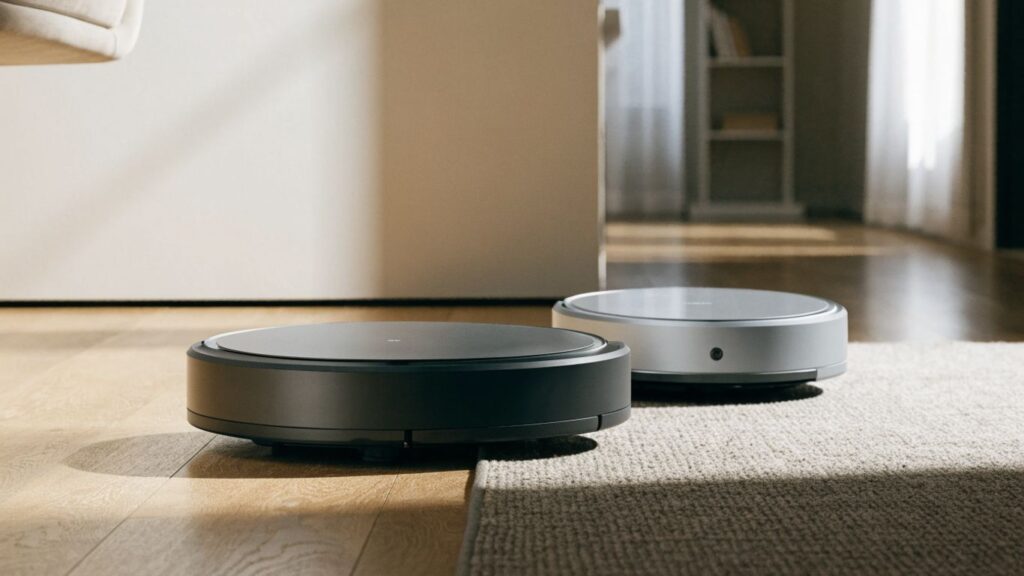
Dreame vs Roborock is one of the most useful robot vacuum comparisons for households that want strong floor pickup, smarter mopping, and less maintenance. Both brands sell capable machines, but their suction ratings, brush designs, obstacle avoidance, mop systems, and self-cleaning docks differ substantially by model.
This 2026 guide explains those differences through five specific head-to-head matchups, from affordable self-emptying cleaners to flagship robot vacuums. I focus on the features that change everyday ownership so you can choose the right robot for hard floors, carpet, pets, thresholds, and your budget.
Quick Answer: Is Dreame or Roborock Better?
Neither brand wins every category. Dreame is especially compelling if you want advanced threshold crossing, extendable edge-cleaning mechanisms, or a high-spec wet-cleaning dock on selected models. Roborock is equally competitive where its DuoRoller or DuoDivide brush systems, VibraRise mopping, SmartPlan controls, and model-specific anti-tangle design fit the home better. Those are product differences, not a guarantee that one brand cleans better in every room.
My practical short list: consider the Dreame X50 Ultra for unusually high thresholds and low furniture; the Roborock S8 MaxV Ultra for a vibrating mop system and sophisticated obstacle controls; the Dreame L40 Ultra or Roborock Qrevo S5V for automated mid-to-upper-tier cleaning; and the original Dreame D10 Plus or Roborock Q8 Max for simpler, budget-conscious setups. Always compare the exact model and bundle, not just the brand logo.
Key Takeaways
Before choosing between Dreame and Roborock, these are the distinctions that influence cleaning results, usability, and long-term costs most.
• Suction is not a complete performance score: published pascal ratings are measured under specific manufacturer conditions and do not show all floor pickup results.
• Dreame X50 Ultra is rated at 20,000 Pa and has specialized retractable legs; S8 MaxV Ultra is rated at 10,000 Pa and uses VibraRise 3.0 sonic mopping.
• Some Roborock models offer advanced two-roller anti-tangle systems, while certain Dreame models use extendable side brushes and removable mop pads.
• A dock described as “self-cleaning” still needs clean-water refills, dirty-water disposal, tray inspection, dust bags, and periodic care.
• Check the exact model generation: D10 Plus is not D10 Plus Gen 2, and original Qrevo is not Qrevo S5V, Qrevo Master, or Qrevo Pro.
• Model-specific pricing and local availability change frequently; judge value using the price actually available when you buy.
If your main priority is vacuuming rather than mopping, my best vacuums for hardwood floors and cordless vacuums for pet hair guides provide useful alternatives to robot-only cleaning.
What Are Dreame and Roborock?
Dreame: Robot Vacuums Built Around Automation and Reach
Dreame makes cordless cleaners and robot vacuum-mop systems ranging from basic LiDAR robots to premium dock-equipped machines. In the models covered here, its distinguishing tools include MopExtend, extendable side brushes, removable or liftable mop pads, and on the X50 Ultra, a retractable navigation sensor plus the ProLeap obstacle-crossing mechanism.
Those options can be genuinely valuable in homes with kitchen edges, low cabinets, many furniture legs, or awkward transitions. They also add moving parts, so I pay attention to the exact included brushes, refill requirements, warranty support, and whether a feature is restricted to a higher trim.
Roborock: Strong App Controls, Floor Mapping, and Different Mop Designs
Roborock is known for LiDAR mapping, zoned room cleaning, app-defined no-go areas, and a broad range of vacuum and mop systems. The S8 MaxV Ultra uses sonic VibraRise mopping, while the Qrevo models discussed here use dual spinning mop pads. Higher-end models add extendable edge tools, dirt sensing, and more capable self-maintaining docks.
The Roborock range should not be treated as one specification sheet. An original Qrevo, a Qrevo S5V, and a Qrevo Master have materially different brushes, suction ratings, dock functions, and obstacle systems. The most reliable shopping method is to match the exact product name to its official documentation.
How I Evaluate Robot Vacuum Cleaners at GearVerdicts
I am Aizaz Shahid, founder of GearVerdicts. When I assess robot vacuums, I begin with the actual cleaning problem: where debris collects, what flooring the home uses, whether pets shed, and how much maintenance a buyer is willing to do. For direct hands-on reviews, I evaluate setup and repeated daily use; for research-led comparisons like this guide, I distinguish official specifications from conclusions based on the published evidence rather than inventing test measurements.
I use a consistent checklist for every model, but I do not present brand laboratory claims as results from my own home. I verify model numbers, manufacturer descriptions, limitations, compatible accessories, and the trade-offs that matter after purchase. GearVerdicts explains this distinction in its How We Test and Editorial Policy pages.
Hard-Floor Pickup and Debris Scatter
I look for documented tests or direct observations of fine dust, grit, crumbs, and larger particles on sealed tile and wood. A robot should collect debris rather than repeatedly push it along grout, floor seams, or baseboards.
Carpet Pickup, Rugs, and Pet Hair
I separate low-pile rugs from thicker carpet and assess brush design, carpet detection, and hair handling. A maximum suction number alone cannot establish embedded carpet cleaning or a tangle-free brush.
Mopping, Edge Reach, and Carpet Protection
I examine mop action, downward pressure where stated, side extension, mop lift, and pad washing. I also check whether a model can leave its mop at the dock or whether users should mark high-pile rugs as no-mop zones.
Navigation and Obstacle Avoidance
I look at LiDAR mapping, sensor and camera systems, room transitions, cables, chair legs, pet toys, and threshold limits. Manufacturer obstacle-crossing numbers are conditional, not universal clearance guarantees.
Dock Upkeep and Cost of Ownership
I check dust bags, washable trays, clean and dirty water tanks, filters, roller replacements, and compatible detergent. A more automated dock can save work but adds consumables, space requirements, and cleaning tasks.
App Reliability, Privacy, and Compatibility
I compare map editing, schedules, room rules, Wi-Fi requirements, voice assistants, camera controls, and household sharing. Camera-equipped models deserve a separate check of privacy settings and current firmware support.
This article is an evidence-led comparison of listed capabilities, not a claim that I conducted new laboratory or identical in-home tests on all ten products. Where verified independent head-to-head results are unavailable, I give buyer-specific recommendations rather than inventing a winner.
Dreame vs Roborock: The Features That Matter Most
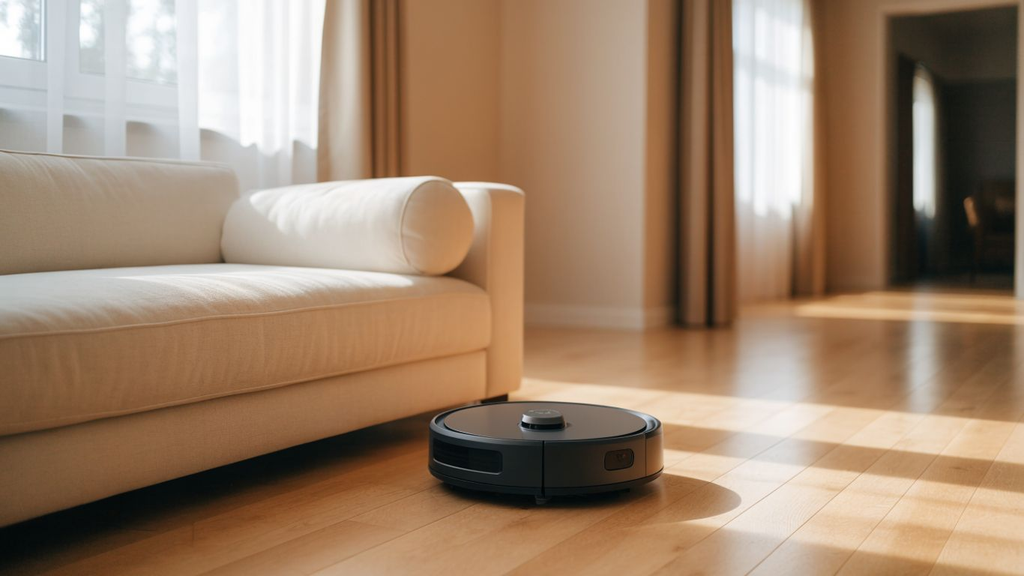
A useful brand comparison starts with individual systems. I evaluate the following features together because suction, brush agitation, mop design, navigation, and dock maintenance affect each other during everyday cleaning.
Suction Power and Real Pickup
Premium models have published maximum suction ratings ranging from 10,000 Pa on the S8 MaxV Ultra to 20,000 Pa on the X50 Ultra in our flagship pair. These are manufacturer maximums, not matched independent pickup percentages; airflow path, rollers, carpet pile, and debris size also determine performance.
Brush Rolls and Hair-Tangle Resistance
Roborock uses DuoRoller, DuoDivide, and other designs depending on the model. Dreame varies between single rubber rollers, optional TriCut tools, and HyperStream dual brushes. Do not assume an accessory is in the standard box when a manufacturer calls it optional.
Hardwood and Tile Cleaning
On hard floors, a controlled pickup path can matter more than maximum power. Look for fine-dust collection near seams, crumbs collected without scattering, and wheels or brush edges that will not drag grit on delicate finishes.
Carpet Boost and Rug Detection
Both brands offer carpet-aware cleaning on multiple models, but mop lift height and the ability to remove mop pads differ. For thicker rugs, use a no-mop zone or check the manual rather than assuming every lifted mop clears all pile heights.
Spinning Mops vs Sonic VibraRise
Dreame X50, L40, L10s and most Qrevo models here use rotating mop pads. Roborock S8 MaxV Ultra uses a vibrating VibraRise 3.0 mop with a separate edge mop. Neither method guarantees better stain removal without comparable real-world testing.
Mop Extension and Edge Cleaning
Dreame MopExtend and Roborock FlexiArm systems move cleaning tools toward walls and furniture edges on certain products. These mechanisms improve designed reach, although baseboards, grout, room obstacles, and pad condition can change actual coverage.
Obstacle Avoidance and Threshold Crossing
LiDAR provides mapping while additional cameras, structured light, or other sensors can improve small-object recognition on specified models. The X50 Ultra advertises up to 60 mm across a two-step obstacle but 42 mm for a single vertical step, an important limitation.
Automatic Mop Washing and Drying
Full-service docks can wash and dry pads, refill robot tanks, and empty dust. Hot-water wash is listed for X50, L40, X40, S8 MaxV and Qrevo Master, but should not be attributed to the original Qrevo or Qrevo S5V without product-specific confirmation.
App Mapping, Schedules, and Smart Home
Both Dreamehome and Roborock apps support room-specific routines on many models. Camera remote-viewing, built-in voice control, smart plan features, and voice-assistant support depend on model, region, setup, and firmware.
Replacement Parts and Maintenance
A dock is not maintenance-free. Verify availability of dust bags, filters, mop pads, side brushes, main rollers, cleaning detergent, and dock parts in your country before deciding that a higher-spec robot has lower ownership costs.
Robot Vacuum Features and Specifications: What to Compare
A feature checklist is more dependable than choosing from a single suction number. I first compare the floor type, mopping method, obstacle system, dock functions, and brush replacement needs. The questions below explain why each specification belongs in the buying decision.
A model with hot-water mop washing may be more useful in a tile-heavy home, but it can be unnecessary if you mostly vacuum dry carpet. Conversely, a robot with excellent rollers and basic mopping may be a sensible buy when hair removal and low running costs matter more than automated stain cleaning.
• Check exact model and generation before comparing any number.
• Identify roller type and whether anti-tangle upgrades cost extra.
• Note mop design, lift/removal behavior, and rugs in your home.
• List dock functions separately: empty, wash, dry, refill, and detergent.
• Confirm dimensions, threshold limits, Wi-Fi band, and replacement parts.
The table below is a buyer checklist rather than a claim that all five matchups share one feature set. Refer to each detailed model comparison for the verified version-specific details.
Swipe left or right to view the full table.
| Feature / Specification | What to check and why it matters |
|---|---|
| Maximum suction (Pa) | A manufacturer maximum; compare within the context of brush design and matching floor tests. |
| Brush and anti-tangle system | Single rubber, dual roller, or cutting/separating design; check if the tool is included. |
| Mopping mechanism | Rotating pads, vibrating plate, lift height, or removable pads for rugs. |
| Edge reach | Extendable side brush or mop and the areas it is designed to reach. |
| Navigation / obstacles | LiDAR and extra vision or structured-light sensors; cables and pet toys can be difficult. |
| Dock functions | Auto-emptying, washing temperature, drying, refilling, tray cleaning, detergent. |
| App and Wi-Fi | Zones, schedules, maps, privacy controls, local availability, and commonly 2.4 GHz Wi-Fi. |
| Maintenance and parts | Bags, filters, rollers, mop pads, tank cleaning, and accessory pricing. |
| Robot and dock size | Furniture clearance, dock placement, and door thresholds, not just room area. |
5 Dreame vs Roborock Model Matchups Worth Comparing in 2026
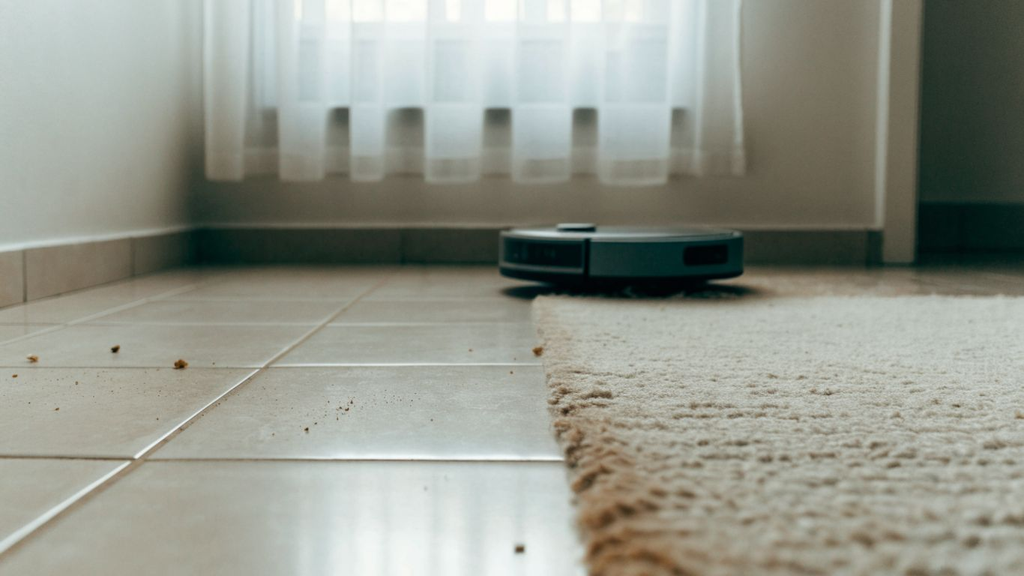
These five head-to-head matchups cover ten individual robot vacuums across flagship, midrange and budget categories. I compare the exact configurations that buyers are most likely to encounter, rather than mixing similar model generations or assuming every machine has the same accessories. Each verdict is based on documented features, practical fit and clearly stated limitations.
1. Dreame X50 Ultra vs Roborock S8 MaxV Ultra: Flagship Features
This pairing answers a specific buying question: Best choice depends on high thresholds versus sonic mopping and app preferences.
Dreame X50 Ultra
The Dreame X50 Ultra is a high-end robot aimed at homes with awkward room transitions, low-profile furniture, and frequent hard-floor mopping. Dreame lists 20,000 Pa maximum suction, a HyperStream detangling DuoBrush, extendable side and mop cleaning tools, and a VersaLift sensor that lowers the robot to about 89 mm in its retracted configuration. These are designed capabilities, not a guarantee that it will fit beneath every cabinet.
Its ProLeap retractable legs are the unusual feature. Dreame rates obstacle crossing up to 60 mm for a suitable two-step obstacle, but a single vertical rise is limited to 42 mm and results depend on shape and surface. Its dock is specified with up to 80°C mop washing, drying, refilling, and dust-emptying. The premium system therefore makes most sense when clearance and automated mop care genuinely solve problems in the home.
The strongest reasons to consider this exact model are listed below, followed by the compromises I would check before purchase.
Pros
• 20,000 Pa published maximum suction with a dual-brush platform.
• VersaLift low-profile navigation helps reach beneath some furniture.
• Specialized ProLeap threshold-crossing mechanism.
• Extendable side and mop components for edges.
• 80°C-rated dock mop washing and automated maintenance.
Cons
• Large, complex dock and multiple moving mechanisms increase upkeep.
• The 60 mm claim is conditional and does not apply to a single vertical step.
• Its higher published suction does not prove a superior carpet pickup rate.
Together, these strengths and limitations suggest a specific buyer rather than a universal winner.
Final verdict. Choose the X50 Ultra when tall room transitions, low clearance and sophisticated hands-off mopping are your priority. It is harder to justify if those features will rarely be used.
Roborock S8 MaxV Ultra
The Roborock S8 MaxV Ultra takes a different premium approach. It is rated for 10,000 Pa suction and pairs a DuoRoller Riser brush system with VibraRise 3.0 vibrating mopping, a separate edge mop, Reactive AI 2.0 obstacle recognition, and a LiDAR-based map. That feature mix appeals to buyers who want advanced floor routines without relying on rotating main mop pads.
Its RockDock Ultra can empty dust, wash mops with hot water, dry them, refill water, and dispense detergent. Roborock also specifies up to 20 mm mop lift for carpet transitions, plus built-in Hello Rocky voice assistance and camera features such as video calling. These are meaningful additions for app-led households, although camera functions and network setup deserve careful privacy consideration.
The strongest reasons to consider this exact model are listed below, followed by the compromises I would check before purchase.
Pros
• DuoRoller Riser dual-roller cleaning system.
• VibraRise 3.0 sonic mopping with separate edge cleaning.
• Up to 20 mm stated mop lift for mixed flooring.
• Comprehensive RockDock Ultra cleaning and refill functions.
• Reactive AI 2.0 and supported voice/camera features.
Cons
• Published 10,000 Pa maximum is lower than the X50’s figure, though not a tested performance gap.
• Camera-enabled functions require careful privacy and account setup.
• A full-service dock still needs water, bags and regular washing.
Together, these strengths and limitations suggest a specific buyer rather than a universal winner.
Final verdict. Choose the S8 MaxV Ultra for a premium Roborock workflow, vibrating mops and advanced mapped cleaning. It does not have the X50’s specialized threshold-climbing specification.
2. Dreame L40 Ultra vs Roborock Qrevo S5V: Midrange Automation
This pairing answers a specific buying question: Hot-water edge mopping versus stronger rated suction and anti-tangle brushes.
Dreame L40 Ultra (original)
The original Dreame L40 Ultra uses an 11,000 Pa rated suction system alongside an extendable side brush, MopExtend RoboSwing edge mopping and a full-service dock. Dreame lists around 10.5 mm mop lifting and a 3.2 L dust bag. It is well specified for homes where mopping near table legs and along cabinets is more important than chasing a record suction number.
Unlike the L40 Ultra Gen 2, this original model uses the older 11,000 Pa platform, so they should not be confused. Dreame lists hot-water mop and washboard cleaning at about 65°C, warm-air drying and automatic maintenance. The optional TriCut hair-cutting brush is a separately purchased accessory, which matters when comparing price or long-hair convenience against a rival with an anti-tangle system included.
The strongest reasons to consider this exact model are listed below, followed by the compromises I would check before purchase.
Pros
• 11,000 Pa published suction rating.
• Extendable side brush and MopExtend RoboSwing.
• Specified hot-water mop washing and warm-air drying.
• Automatic emptying and mop-maintenance functions.
• Mop lift and removal modes add carpet flexibility.
Cons
• Optional TriCut brush can increase accessory cost.
• Large dock requires water-tank and tray cleaning.
• Not the same hardware as L40 Ultra Gen 2 or L40s Ultra.
Together, these strengths and limitations suggest a specific buyer rather than a universal winner.
Final verdict. The original L40 Ultra is attractive when edge mopping and hot-water dock cleaning matter most. Check bundle contents, especially the brush, before paying a premium.
Roborock Qrevo S5V
Roborock Qrevo S5V is rated at 12,000 Pa and combines a DuoDivide-style main brush within a triple anti-tangle system, dual spinning mops, mop lift, PreciSense LiDAR and Reactive Tech obstacle avoidance. Its stated strength is providing capable, largely automated daily vacuuming and mopping without requiring every feature found on the most expensive Qrevo variants.
The multifunctional dock supports dust emptying, mop self-washing, warm-air drying and tank refilling. Roborock advertises strong hair-tangle resistance under its own test conditions, but those laboratory claims should not be read as a guarantee on every pet and carpet. Hot-water mop washing is not a highlighted feature of this S5V listing, making it important not to transfer Qrevo Master or Qrevo Pro specifications to the S5V.
The strongest reasons to consider this exact model are listed below, followed by the compromises I would check before purchase.
Pros
• 12,000 Pa manufacturer-rated maximum suction.
• Triple anti-tangle brush configuration for hair-heavy homes.
• Dual spinning mops and auto mop lift.
• LiDAR mapping and Reactive Tech obstacle avoidance.
• Self-washing, drying, refilling and auto-emptying dock.
Cons
• S5V is not the same model as Qrevo Master or Pro.
• No model-listed hot-water washing advantage over the L40 Ultra.
• Dock upkeep and bag/roller replacements remain necessary.
Together, these strengths and limitations suggest a specific buyer rather than a universal winner.
Final verdict. The Qrevo S5V makes sense for long-hair households that want a strong included brush system and useful automation. Prefer L40 Ultra when advanced edge tools and hot-water dock washing are essential.
3. Dreame L10s Ultra vs Original Roborock Qrevo: Established All-in-One Designs
This pairing answers a specific buying question: Camera-assisted Dreame navigation versus straightforward Roborock Qrevo mopping.
Dreame L10s Ultra (original)
The original Dreame L10s Ultra remains a useful example of a fully automated earlier-generation robot. It combines 5,300 Pa maximum suction, a rubber brush, rotating mop pads, AI-assisted RGB camera and structured-light obstacle recognition. Its navigation features are more elaborate than those on basic LiDAR-only robots, although exact object recognition can vary with lighting and software.
The L10s Ultra dock can auto-empty into a 3 L bag, wash and dry the pads, refill the robot, and manage cleaning solution using the specified compatible product. Dreame documents a 5,200 mAh battery and distinct quiet-mode runtime figures for vacuum-only versus vacuum-and-mop use. Because this is an older original L10s Ultra, I would check stock condition, part availability and app support carefully when shopping in 2026.
The strongest reasons to consider this exact model are listed below, followed by the compromises I would check before purchase.
Pros
• 5,300 Pa listed maximum suction with carpet detection.
• RGB camera and structured-light obstacle analysis.
• Rotating mops with automatic washing and hot-air drying.
• 3 L auto-empty bag and automatic water refill.
• Long-running established platform with useful app mapping.
Cons
• Older generation than the most current premium robots.
• Requires camera/privacy attention and compatible solution.
• A higher-cost used or old-stock unit may offer weaker value than new competitors.
Together, these strengths and limitations suggest a specific buyer rather than a universal winner.
Final verdict. Choose the L10s Ultra when its AI obstacle system and automated dock are available at a genuinely favorable price. Confirm condition and replacement parts rather than buying for the name alone.
Roborock Qrevo (original / Q Revo)
The original Roborock Qrevo, also styled Q Revo, is a different product from Qrevo S5V, Pro and Master. Roborock announced it with 5,500 Pa maximum suction, an all-rubber brush, Reactive Tech obstacle avoidance and dual spinning mops rated up to 200 rpm. The mop pads lift up to 7 mm in the original model specifications, which makes thick rugs a reason to use no-mop rules.
Its dock performs self-emptying, mop washing, drying and water refilling. The Roborock app supports customized maps, routines and no-go zones. Unlike the newer Qrevo Master, the original Qrevo does not have that model’s dual-roller and hot-water washing upgrades. It can still suit a mixed hard-floor home, provided the buyer values the actual used or remaining-stock price over newer capabilities.
The strongest reasons to consider this exact model are listed below, followed by the compromises I would check before purchase.
Pros
• 5,500 Pa rated suction and all-rubber brush.
• Dual spinning mop pads suited to routine hard-floor care.
• Auto mop lift and configurable no-mop zones.
• Self-emptying, wash/dry and refill dock.
• Flexible Roborock map editing and scheduled cleaning.
Cons
• Original 7 mm mop lift is modest for thick carpets.
• Lacks Qrevo Master’s newer roller and hot-water dock upgrades.
• Older-model supply, warranty and pricing can be inconsistent.
Together, these strengths and limitations suggest a specific buyer rather than a universal winner.
Final verdict. Choose the original Qrevo if you want a dependable basic all-in-one mop workflow at a clear discount. For high-pile rugs or latest hair-handling features, compare newer Qrevo versions.
4. Dreame D10 Plus vs Roborock Q8 Max: Budget Vacuuming
This pairing answers a specific buying question: Auto-emptying included on the original Dreame versus a stronger dual-roller Roborock.
Dreame D10 Plus (original, not Gen 2)
The original Dreame D10 Plus is a budget-oriented vacuum-and-mop robot with 4,000 Pa maximum suction, LiDAR navigation, a 400 mL dustbin and a 2.5 L auto-empty bag. This is the earlier 2022-era product. Dreame’s D10 Plus Gen 2 has a different 6,000 Pa rating and 4 L dust bag, so mixing those specifications would mislead buyers.
Its most compelling ownership feature is that the auto-empty base comes with the original D10 Plus package. Mopping is a basic passive-pad function rather than the rotating, dock-washed system found on premium machines. I see it as a sensible purchase for mostly dry debris and light floor wiping, provided the older model’s consumables and warranty coverage are still accessible.
The strongest reasons to consider this exact model are listed below, followed by the compromises I would check before purchase.
Pros
• Auto-emptying dock is a core part of the D10 Plus package.
• LiDAR mapping helps schedule rooms and zones.
• 4,000 Pa published suction is adequate as a useful spec for routine comparison.
• 2.5 L dock bag reduces manual bin emptying.
• Lower-complexity setup may suit buyers who rarely mop.
Cons
• Flat/basic mop has no automatic mop washing.
• Older 4,000 Pa model should not be confused with Gen 2.
• Limited advanced obstacle detection compared with premium designs.
Together, these strengths and limitations suggest a specific buyer rather than a universal winner.
Final verdict. Choose the original D10 Plus when automatic dust emptying matters more than advanced mopping or the newest rollers. It is a value option only when sold at a suitably low price.
Roborock Q8 Max (standard, not Q8 Max+)
The standard Roborock Q8 Max is rated for 5,500 Pa maximum suction and uses its DuoRoller all-rubber brush system with Reactive Tech obstacle avoidance and PreciSense LiDAR navigation. Roborock also lists app controls for mapping and mopping water flow. Its vacuuming hardware is more specialized than the original D10 Plus, especially when hair and carpets matter.
The essential buying caveat is the dock. Q8 Max is not Q8 Max+: the Plus variant includes an auto-empty dock while the standard Q8 Max does not. Q8 Max can vacuum and drag a basic mop pad, but it is not a full-service wet dock like the Qrevo. Buying the standard Q8 Max primarily makes sense if dual-roller cleaning and control are worth emptying the dustbin yourself.
The strongest reasons to consider this exact model are listed below, followed by the compromises I would check before purchase.
Pros
• 5,500 Pa maximum suction rating.
• DuoRoller all-rubber brush system.
• Reactive Tech obstacle avoidance.
• LiDAR maps, zones and customized routines.
• Adjustable water flow for simple flat-pad mopping.
Cons
• Standard Q8 Max does not include the Q8 Max+ self-emptying dock.
• No automatic pad washing or drying.
• Not the right choice if truly hands-off mopping is essential.
Together, these strengths and limitations suggest a specific buyer rather than a universal winner.
Final verdict. Choose standard Q8 Max for DuoRoller vacuuming and mapping when manual emptying is acceptable. If you want auto-emptying, compare Q8 Max+ directly with the D10 Plus dock bundle.
5. Dreame X40 Ultra vs Roborock Qrevo Master: Premium Value
This pairing answers a specific buying question: Dreame’s higher rated suction and removable mops versus Roborock dual rollers and smart controls.
Dreame X40 Ultra
The Dreame X40 Ultra is a mature premium model with 12,000 Pa rated suction, an extendable and liftable side brush, MopExtend RoboSwing, and removable mop pads for carpet-focused routines. It uses AI RGB and 3D structured-light obstacle sensing and provides multiple wet and dry floor-care configurations. Its 6,400 mAh battery is another notable listed specification.
The dock provides hot-water mop washing rated up to 70°C, warm-air drying, dust emptying, water refilling, and other automated care. Dreame specifies a 10.5 mm mop lift and 22 mm threshold capability for this model. The X40 Ultra is a strong alternative to buying a newer flagship if its actual current price is clearly lower while the advanced edge-cleaning features still fit the home.
The strongest reasons to consider this exact model are listed below, followed by the compromises I would check before purchase.
Pros
• 12,000 Pa manufacturer-rated maximum suction.
• Extendable and liftable side brush improves designed corner reach.
• MopExtend and removable mop functionality.
• 70°C-rated hot-water pad washing and dock automation.
• 6,400 mAh battery with AI RGB and structured-light sensing.
Cons
• 10.5 mm mop lift still calls for caution on taller rugs.
• More moving parts and consumables than simple robots.
• Advanced features do not necessarily beat a newer robot in every independent test.
Together, these strengths and limitations suggest a specific buyer rather than a universal winner.
Final verdict. Choose the X40 Ultra for a premium Dreame edge-cleaning system when sold at a useful discount. It remains appealing without paying for the X50’s unusual threshold hardware.
Roborock Qrevo Master
The Roborock Qrevo Master offers 10,000 Pa rated suction, a DuoRoller Riser twin-brush design, extending FlexiArm side and mop components, and dual rotating mop pads. Its roller layout and cleaning routines are especially interesting for shoppers concerned about long hair and mixed carpet, though actual pickup still depends on home conditions.
Its multifunctional dock includes hot-water pad washing rated up to 60°C, warm-air drying, self-cleaning tray elements, water refilling and automatic emptying. Roborock also lists SmartPlan, an onboard Hello Rocky voice assistant, RGB-camera functions and dirt-responsive re-mopping. Those are genuine premium conveniences, but camera capabilities add settings to review before enabling them.
The strongest reasons to consider this exact model are listed below, followed by the compromises I would check before purchase.
Pros
• DuoRoller Riser dual-roller system.
• FlexiArm side brush and extendable edge mop.
• 60°C-rated hot-water mop washing and self-cleaning dock tray.
• SmartPlan, dirty-area sensing and repeat mopping.
• Supported voice controls and camera-based extras.
Cons
• 10,000 Pa spec is below the X40’s 12,000 Pa rating but is not a direct performance loss.
• Camera and smart assistant features may be unnecessary for privacy-minded households.
• Large docking system still requires regular maintenance.
Together, these strengths and limitations suggest a specific buyer rather than a universal winner.
Final verdict. Choose Qrevo Master for twin rollers, SmartPlan routines, and Roborock’s dock interface. Choose X40 Ultra for removable mops, rated 70°C washing, and Dreame edge-cleaning preferences.
Dreame vs Roborock: Five Matchups at a Glance
The detailed reviews above explain each model’s distinguishing features and trade-offs. For a fast final check, I group the five matchups by actual use case rather than give a brand-wide score that cannot reflect floors, pets, or budget.
Note that all suction figures are published maximum ratings, not results from one shared laboratory protocol. Similarly, “auto-empty” does not mean “auto-wash,” and a model with basic mopping is not equivalent to a robot with a mop-washing dock. Confirm your chosen bundle before relying on these descriptions.
• Thresholds and low furniture: consider X50 Ultra first.
• Sonic mop versus rotating pad preference: compare S8 MaxV Ultra to X50.
• Hair-handling and dock convenience: compare Qrevo S5V with original L40 Ultra.
• Earlier all-in-one bargains: compare L10s Ultra with original Qrevo.
• Basic budget vacuuming: check whether the dock is included on D10 Plus, Q8 Max or Q8 Max+.
This compact table collects the same key facts for comparison. It is intentionally near the end of the comparison section so that context comes before specifications.
Swipe left or right to view the full table.
| Matchup | Published max suction | Decision point |
|---|---|---|
| X50 Ultra / S8 MaxV Ultra | 20,000 / 10,000 Pa | Threshold reach vs VibraRise 3.0 and Roborock app controls |
| L40 Ultra / Qrevo S5V | 11,000 / 12,000 Pa | Hot-water edge mopping vs included anti-tangle system |
| L10s Ultra / original Qrevo | 5,300 / 5,500 Pa | AI camera-assisted navigation vs simpler Qrevo workflow |
| D10 Plus / Q8 Max | 4,000 / 5,500 Pa | D10 auto-empty base included; standard Q8 Max does not include it |
| X40 Ultra / Qrevo Master | 12,000 / 10,000 Pa | Removable mops and 70°C wash vs twin rollers and SmartPlan |
I would check the final delivered price and replacement-part availability before treating one model as better value. A deeply discounted older premium robot can outperform a newer entry-level option on ownership convenience, but only if it is genuine, supported, and in suitable condition.
Which Brand Should You Choose for Your Home?
Mostly Hardwood, Tile, or Vinyl
Prioritize mop coverage, wheel condition, room mapping, and whether the pad-wash station fits your routine. Dreame X40/L40 and Roborock Qrevo Master/S5V are strong feature matches on paper; a household with delicate finishes should follow floor-manufacturer care instructions. See our hardwood vacuum guide for extra floorhead advice.
Carpet, Rugs, and Mixed Flooring
Look at brush design, mop lift or removal, carpet detection, and whether the robot crosses thresholds. Thick or fringed rugs can be difficult for either brand. The S8 MaxV Ultra and Qrevo Master have dual rollers, while X50 uses a dual-brush system and different carpet safeguards.
Pet Hair and Long Human Hair
Focus on roller entanglement, edge pickup, bin capacity, and dock emptying. Qrevo S5V promotes a triple anti-tangle system, X50 uses HyperStream DuoBrush, and Q8 Max uses DuoRoller. These differ from claims of universal zero tangles, which are not guaranteed. Our pet-hair vacuum buying guide explains broader cleaning trade-offs.
Apartment, Small Home, or Lower Budget
A compact robot with LiDAR and predictable maintenance may be smarter than a flagship dock that consumes valuable floor space. The original D10 Plus and standard Q8 Max serve different priorities: one bundles auto-empty, while the other brings a dual-roller brush but no auto-empty dock in standard form.
Complex Layouts or Tall Thresholds
Check the exact height and shape of transitions before buying. X50 Ultra offers the most distinctive specified threshold system in this five-pair group, but its advertised two-step limit cannot be treated as a 60 mm one-piece step guarantee. Stairs remain a physical boundary for these robots.
Common Dreame vs Roborock Buying Mistakes to Avoid
Most poor robot-vacuum purchases come from mismatched expectations rather than a single weak specification. These checks help prevent common mistakes when comparing similar model names, promotional listings, and automation claims.
• Comparing Dreame D10 Plus original with D10 Plus Gen 2 specs. They have different rated suction and dust-bag sizes.
• Assuming Q8 Max and Q8 Max+ ship with the same dock. The Plus version adds auto-emptying.
• Treating original Qrevo, Qrevo S5V, Qrevo Pro and Qrevo Master as one robot family with identical features.
• Reading maximum pascal ratings as a guarantee of best real-world carpet pickup.
• Expecting a lifted mop to clear every thick rug, fringe and raised threshold.
• Buying a hot-water mop dock without checking tank placement, odor control, detergent and cleaning-tray upkeep.
• Ignoring the manufacturer’s stated Wi-Fi support, voice-assistant region, camera controls and consumable availability.
• Using a promotional price or old MSRP as proof of permanent value rather than checking current stock and bundle contents.
My rule is to verify the full model designation and actual package first, then compare the everyday floor-cleaning job. It takes less effort than returning a robot whose mop, dock, or brush is different from what the listing implied.
Final Verdict: Dreame or Roborock?
For 2026 buyers, I would not declare either Dreame or Roborock the universal winner. The Dreame X50 Ultra makes the strongest case when furniture clearance and specially shaped thresholds are important. The Roborock S8 MaxV Ultra is a compelling flagship for buyers who prefer its VibraRise sonic mop and advanced Roborock controls. At lower price levels, the L40 Ultra versus Qrevo S5V and D10 Plus versus Q8 Max comparisons depend heavily on included tools and dock functions.
I recommend comparing two exact models, their verified in-box accessories, the real selling price, and the work you want the robot to handle every week. A robot that runs reliably and requires tolerable upkeep is a better purchase than a machine that wins on an isolated marketing number. For more advice, read my vacuum reviews for hard floors and our review methodology.
Editorial disclosure: This is a research-led model comparison based on manufacturer documentation and clearly identified editorial analysis. It does not claim new matched laboratory or hands-on testing of all ten machines. Exact features, bundles, prices, stock, warranty terms, firmware behavior and regional compatibility can change. GearVerdicts may earn a commission through qualifying links; editorial judgments are independent of affiliate relationships. See our affiliate disclosure.
Frequently Asked Questions
Is Dreame better than Roborock in 2026?
Not across every product. Dreame has strong reach and threshold technologies in certain premium models, while Roborock offers competitive rollers, mapping, and alternative mopping mechanisms. Choose by specific model and floor needs.
Which brand is better for pet hair?
Brush design and maintenance matter more than brand. Qrevo S5V, Qrevo Master, X50 Ultra and Q8 Max offer different hair-handling systems, but none can guarantee zero wrapping in every home.
Which is better for mopping, Dreame or Roborock?
Both have sophisticated mopping models. Dreame often uses rotating pads and MopExtend, while Roborock offers both rotating Qrevo pads and the vibrating VibraRise system on S8 MaxV Ultra. Compare pad washing, edge coverage and carpet protection.
Does higher Pa suction mean better cleaning?
No. Pa measures a pressure characteristic under specified conditions. Roller agitation, airflow, floor type, debris, navigation and repeated passes can be just as important to practical pickup.
Does Roborock Q8 Max automatically empty itself?
The standard Q8 Max does not come with the Q8 Max+ auto-empty base. Check the exact bundle, as retailer naming can be confusing.
Is Dreame D10 Plus the same as Gen 2?
No. The original D10 Plus is listed at 4,000 Pa with a 2.5 L bag; D10 Plus Gen 2 is listed at 6,000 Pa with a larger 4 L bag. Accessories and features also differ.
What does the X50 Ultra 60 mm climbing claim mean?
Dreame specifies up to 60 mm for a suitable two-step obstacle configuration and up to 42 mm for a single vertical step. Real performance depends on shape, surface and conditions.
Can a robot vacuum replace a full-size vacuum on thick carpet?
It can maintain surface cleanliness, but deep carpet extraction, stairs, baseboard crevices and upholstered furniture may still require a stick or upright vacuum. See our upright vacuum recommendations.
Do self-cleaning docks eliminate maintenance?
No. They automate parts of dust emptying, pad washing, drying or refilling, but still require bags, water, tray cleaning, filters, and periodic brush care.
Which brand is best if I care about privacy?
Check individual model camera functions, stored maps, account settings, firmware updates and access controls. Some premium models include remote viewing; others use simpler sensor packages.
Are older flagship models worth buying in 2026?
Sometimes. A discounted X40 Ultra, L10s Ultra or original Qrevo can be a good fit if the exact unit has warranty coverage, genuine parts, supported software and a price low enough to offset age.
Should I choose a robot vacuum or a cordless stick?
Robot vacuums excel at frequent scheduled floor maintenance. Cordless sticks are more flexible for stairs, furniture, corners and sudden larger messes. Our best vacuums for hardwood floors guide can help compare formats.