Best Pet Air Purifier in 2026: Top Picks for Hair, Dander & Odor


If you share your home with a dog or cat, you already know the drill: fur on the couch, dander in the air, and that faint pet smell that never quite leaves. A good air purifier won’t stop the shedding, but the right one will pull hair, dander, and odor out of the air before they settle — and that makes a real difference for allergies, sleep, and how fresh your home feels.
The problem is that “pet” air purifiers range from $40 desktop units to $160 machines built for whole living rooms, and the specs don’t always match real-world performance. So we focused on what actually matters for pet owners: true HEPA filtration to trap dander and the fine particles that carry allergens, an activated-carbon or carbon-tech layer to absorb odor, coverage that fits your room size, and a noise level quiet enough to run overnight.
Below you’ll find our top five picks — from the best overall for everyday pet homes to the quietest, the best for large rooms, and the best budget option — plus a quick comparison table and a 60-second chooser so you can match a purifier to your space and move on with your day.
Key Takeaways
Choosing a purifier for a pet-friendly home starts with the problem you most want to address: airborne particles, lingering smells, or both. I’d also check room coverage, filter upkeep, and current product details before buying.
- A purifier can help with airborne dander and some odors, but it is not a substitute for cleaning.
- A pre-filter can catch larger debris; check whether it is washable or needs replacement.
- Activated carbon is the filter material to look for when odors are a priority.
- Match a purifier’s stated room coverage and CADR to the space where you plan to use it.
- Check the current specifications and filter costs before choosing a model.
Quick Verdict: Best Air Purifiers
Every pick is scored for clean-air performance. The right one depends on your room size, whether you have pets, and how quiet you need it.
| Rank | Air Purifier | Best For | Price | Buy |
|---|---|---|---|---|
| 1 | LEVOIT Core300-P⭐ Best Overall★ 9.2 / 10 | Pets & allergens in bedrooms, with H13 HEPA and 24dB quiet operation up to 1,073 ft² | $97.99 | Check Price |
| 2 | PuroAir 240 HEPABest for Allergies & Smoke★ 8.9 / 10 | Allergy and smoke control with an auto air-quality sensor and CarbonTech, up to 1,000 ft² | $159 | Check Price |
| 3 | MOOKA Large-Room HEPABest for Large Rooms★ 8.8 / 10 | Big open spaces up to 2,200 ft², with H13 3-layer filtration and a quiet sleep mode | $79.97 | Check Price |
| 4 | BLUEAIR Blue Pure 511Best Quiet & Simple★ 8.6 / 10 | Fuss-free, whisper-quiet cleaning with one-button HEPASilent control, up to 907 ft² | $99.99 | Check Price |
| 5 | LEVOIT Core Mini-PBest Small-Room / Budget★ 8.4 / 10 | Desks, dorms, and nurseries, with a 3-in-1 filter, aroma pad, and compact footprint | $49.99 | Check Price |
Scores are GearVerdicts editorial ratings based on filtration, coverage, noise, ease of use, and value. Coverage figures are the manufacturers’ maximum room ratings. Prices change often, so check the live listing. We may earn a commission from links on this page.
How I Test Air Purifiers for Pet Owners
I am Aizaz Shahid, founder of GearVerdicts, and I test the air purifiers I recommend in real home conditions rather than judging them from manufacturer CADR claims alone. In each unit, I check how it actually performs with pet hair, dander, and odor in a lived-in space, then inspect the filters, airflow, noise level, and how the unit holds up after continuous use.
For pet-specific testing, I run each purifier in a room with real pet activity rather than a sealed lab box. I check how quickly it clears visible pet hair drifting near vents, how it handles sudden odor (like after a bathroom accident or a wet-dog moment), and whether the pre-filter clogs faster than the manufacturer suggests. I never rely on a spec sheet’s “sq. ft. coverage” number alone — I place the unit where a pet owner actually would, not in an ideal open room.
- Pet hair and dander capture. I compare how much loose hair and dust settles near the unit versus across the room, and whether airflow actually pulls hair toward the intake or just pushes it around.
- Odor performance. I test how the activated carbon layer handles real pet odor sources — litter boxes, wet fur, food bowls — not just synthetic “odor test” claims from the box.
- Filter lifespan and upkeep. I check how fast the pre-filter visibly fills with hair in a pet home, how easy it is to clean or wash, and how often the manufacturer’s replacement schedule actually holds up.
- Noise level. I run each unit on its recommended “always-on” speed for a pet-heavy room, not just its lowest sleep setting, since that’s the speed most pet owners will realistically use daily.
- Room coverage reality check. I compare the manufacturer’s claimed square footage against the CADR math and independent test data where available, since inflated coverage claims are common in this category.
- Build and placement. I check size, weight, and 360° vs. front-intake airflow, since pet owners often need to tuck these into corners, on furniture, or away from curious pets.
- Ownership cost. I look at replacement filter price and frequency, not just the sticker price, since a cheaper unit with expensive filters can cost more over a year.
Manufacturer specifications are useful for exact numbers, but my verdict depends on daily ownership: how well it keeps up with actual shedding and odor, how much maintenance it demands, and whether it still feels worth running after the first few weeks in a home with pets.
How We Chose These Air Purifiers
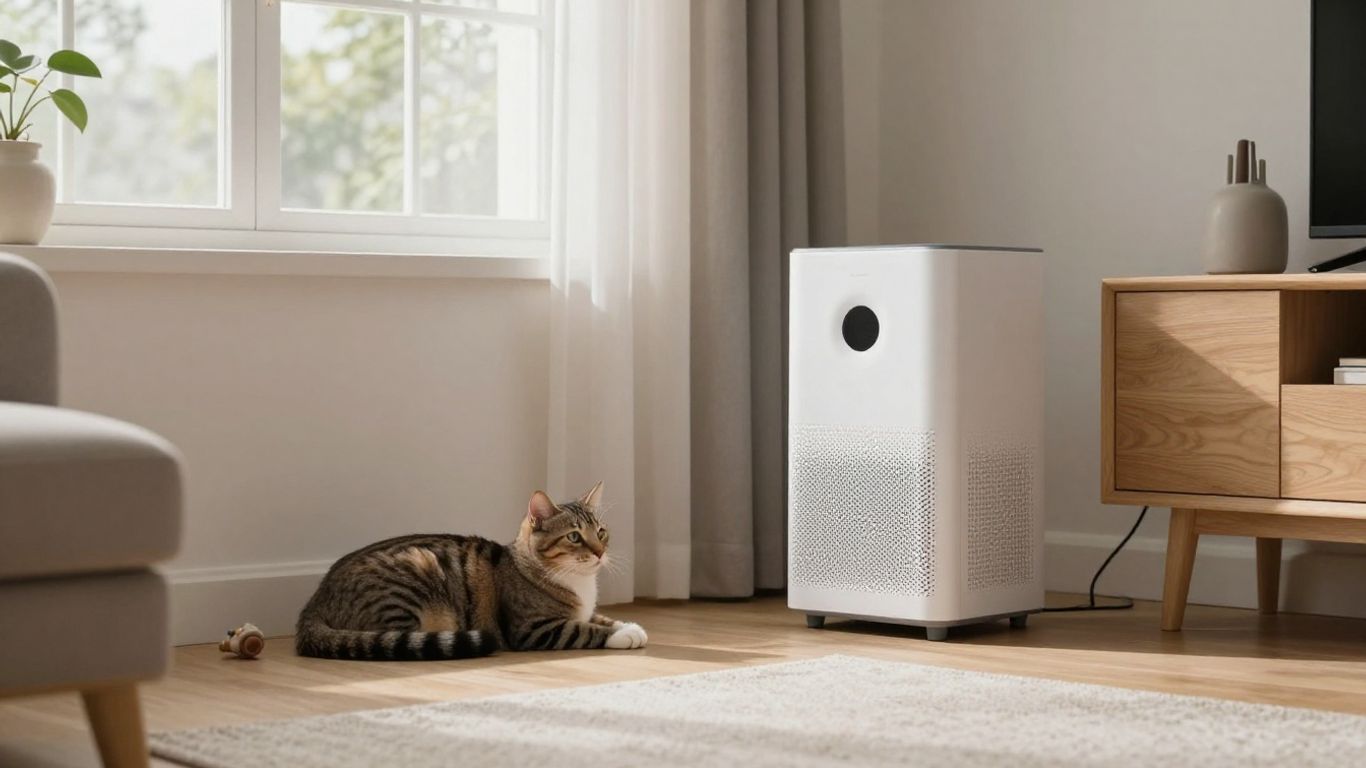
The considerations outlined in this guide were my guideposts for the shortlist of criteria: particle filtration, odor filtration, room coverage, and regular maintenance expenses. It makes sense to consider all these things whenever you check a product listing, especially taking into account that some of the descriptions employ the same words to describe various configurations of filters.
I also sought for comparable criteria rather than just believing in what the category label implies. Consumers can always refer to reviews of broader pet purifier tests and consider the way other consumers select products in this category while understanding that there might be significant differences in their approaches.
Finally, I would make sure to get the exact model name and specifications from product listings right now. A model might change, be sold together with other filters, or provide coverage measurements depending on certain definitions of room dimensions.
What to Look for in an Air Purifier for Pets
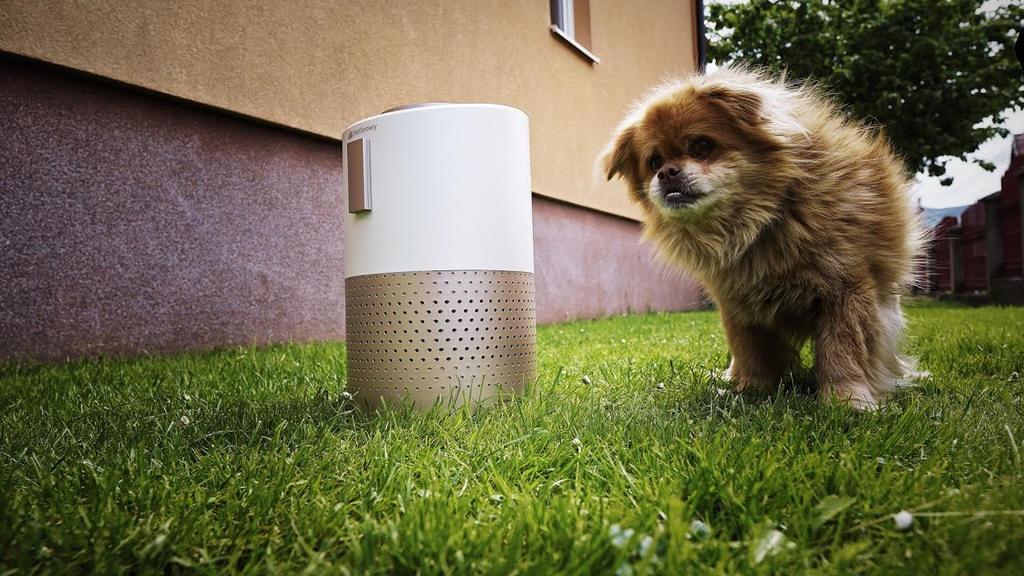
Since it’s just an air purifier, even with pets, the questions are essentially the same: What do the filters remove? How much air can the unit purify? And what kind of maintenance does it need? You would have to consider that in conjunction with your needs.
Pre-Filter for Pet Hair (Washable vs. Disposable)
In terms of dealing with larger debris and maintenance, a pre-filter will be the first thing you want to focus on. Look at whether the manufacturer says it’s washable or needs to be replaced, and stick to the care guide without automatically assuming that all pre-filters are washable.
Here are some things I would ask myself before choosing between designs:
- Can the pre-filter be removed for cleaning?
- Do the manual guidelines say it’s washable, or not?
- Is there anything particular about the replacement filters that would make buying them easier?
- How often does the manufacturer recommend replacing parts?
Those details can make everyday ownership less fiddly. A pre-filter may catch larger material, but it does not replace vacuuming or remove hair that has settled on furniture and floors.
Activated Carbon for Pet Odors
If odors are the primary consideration, then the filter should have carbon. Carbon filters are odor-filters; however, the amounts of carbon and the construction can be different for each filter, and therefore, I would not assume that all carbon filters operate the same way.
Consult the product literature regarding which kind of filter the purifier uses and whether or not the replacement filters with carbon are available. There might also be a source of odor that needs to be cleaned regularly, such as a litter box or beddings, and therefore the purifier should be considered as one of many options for addressing the problem.
True HEPA Filtration for Dander and Allergens
Where dander is concerned, look at what the filter description says on the manufacturer’s spec sheet. One that just says “HEPA type” does not necessarily mean the same as one that calls the filter a True HEPA filter.
With a good filter, you still have to use it in the right room and maintain it according to the instructions. And be realistic: An air purifier cleans the air; it doesn’t clean up any settled particles.
Room Size and CADR Explained
CADR helps give an idea of the capacity of a purifier. Clean Air Delivery Rate (CADR) means how fast a unit delivers filtered air. The size of a room claim should be considered along with the assumption made by the manufacturer when calculating the figure.
While looking at different product listings, here is what I would want to consider together:
| Detail to Check | Why It Matters |
|---|---|
| Recommended room size | Helps match the unit to the space |
| CADR rating | Offers a measure of clean-air delivery |
| Filter replacement guidance | Clarifies upkeep over time |
| Noise information | Helps assess comfort during regular use |
A larger stated room size is not automatically the best fit for every home. Choose based on the room where you will actually run the purifier, and compare the assumptions behind the numbers when they are available.
Why You Should Avoid Ionizers (Ozone Safety)
If the model uses ionization technology, see how it works and whether or not it can be turned off. Ozone is harmful to the lungs, and hence I would be hesitant using a device or mode that produces ozone where the instructions from the manufacturer are vague.
Safety should be clearly stated in the manual, and you should go for a filtration technique that you understand. It makes sense to do so at this stage instead of getting a feature which you are not familiar with.
Best Air Purifiers for Pets, Reviewed
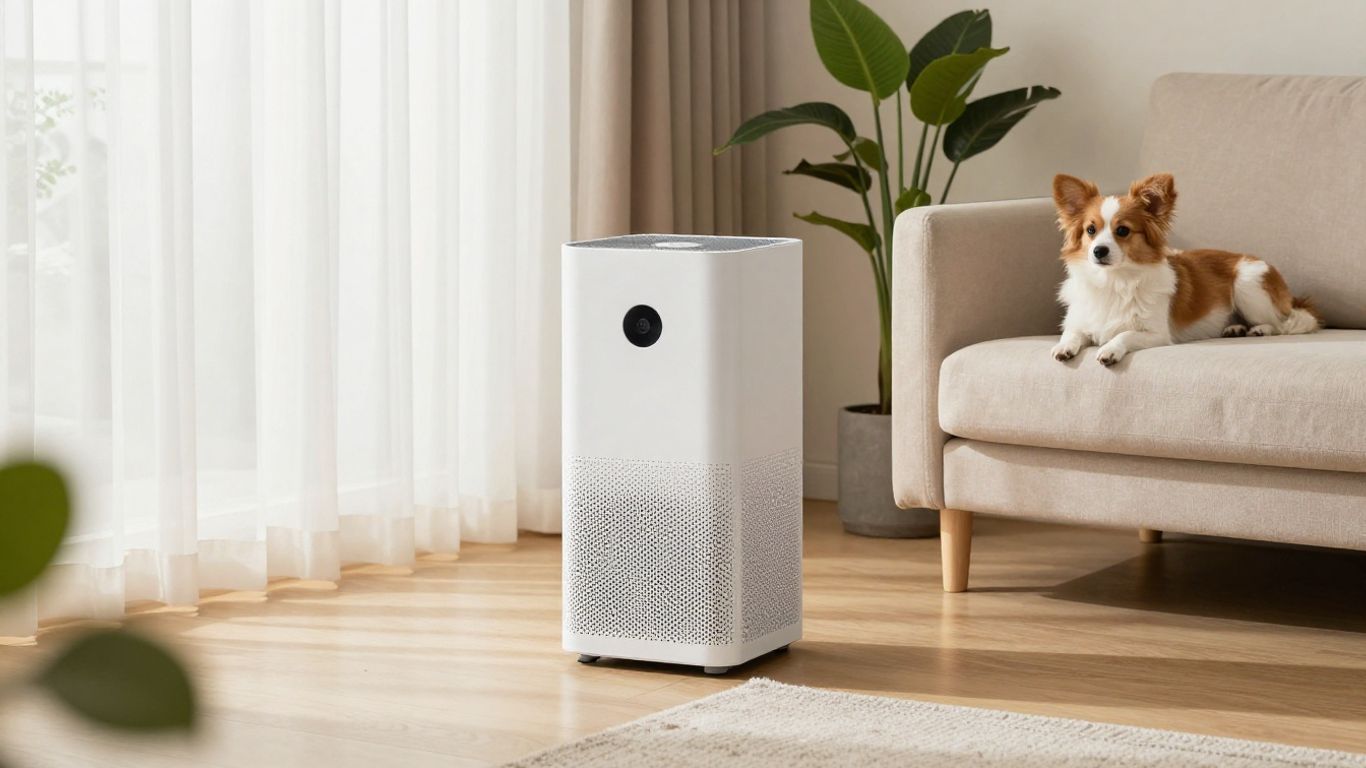
The models listed below are classified in accordance with the shopping roles specified in the outline, from the all-around model to the ones focused on one room or concern. These titles serve just as classification tags, which cannot mean that any of these models will definitely give you a certain result in your house.
It is better to look at the information provided with every model to find out about the exact filter package, suggested rooms and replacement costs, because these may differ from version to version or package to package.
Air Purifiers Compared At a Glance
The five picks side by side, so you can match a purifier to your room size, pets, and noise tolerance.
| Feature | LEVOIT Core300-PBest Overall | PuroAir 240Allergies & Smoke | MOOKA Large-RoomLarge Rooms | BLUEAIR Blue Pure 511Quiet & Simple | LEVOIT Core Mini-PSmall / Budget |
|---|---|---|---|---|---|
| Max coverage | Up to 1,073 ft² | Up to 1,000 ft² | Up to 2,200 ft² | Up to 907 ft² | Up to 255 ft² |
| Filter | H13 True HEPA | HEPA + CarbonTech (H13-grade) | H13 True HEPA | HEPASilent (mechanical + electrostatic) | 3-in-1 HEPA filter |
| Filtration stages | 3-in-1: pre + HEPA + carbon | 3-layer: pre + HEPA + carbon | 3-layer: washable pre + HEPA + carbon | Fabric pre-filter + particle & carbon | 3-in-1: pre + HEPA + carbon |
| Noise (low) | 24 dB | Quiet sleep mode | Ultra-quiet sleep mode | ~23 dB whisper-quiet | ~25 dB |
| Auto air sensor | No (manual + sleep mode) | Yes — auto air-quality sensor | No (sleep mode + timer) | No (one-button, 3 speeds) | No (manual) |
| Extra features | AHAM Verified, filter indicator | Auto 24/7 cleaning, sleep mode | Night light, aromatherapy, timer | Washable pre-filter, simple design | Aroma pad, compact desktop size |
| Best for | Pets & allergens in bedrooms | Allergy & smoke control with auto sensing | Large, open living spaces | Quiet, fuss-free everyday cleaning | Desks, dorms, and nurseries |
| Price | $84 | $159 | $79.97 | $74 | $41.79 |
| Check Price | Check Price | Check Price | Check Price | Check Price |
Comparison compiled by GearVerdicts. Coverage figures are manufacturers’ maximum room ratings; real-world clean-air rate is higher at smaller room sizes. Verify current specs and price on the live listing. We may earn a commission from links on this page.
1. Levoit Core 300-P Air Purifier— Best Overall for Pet Owners
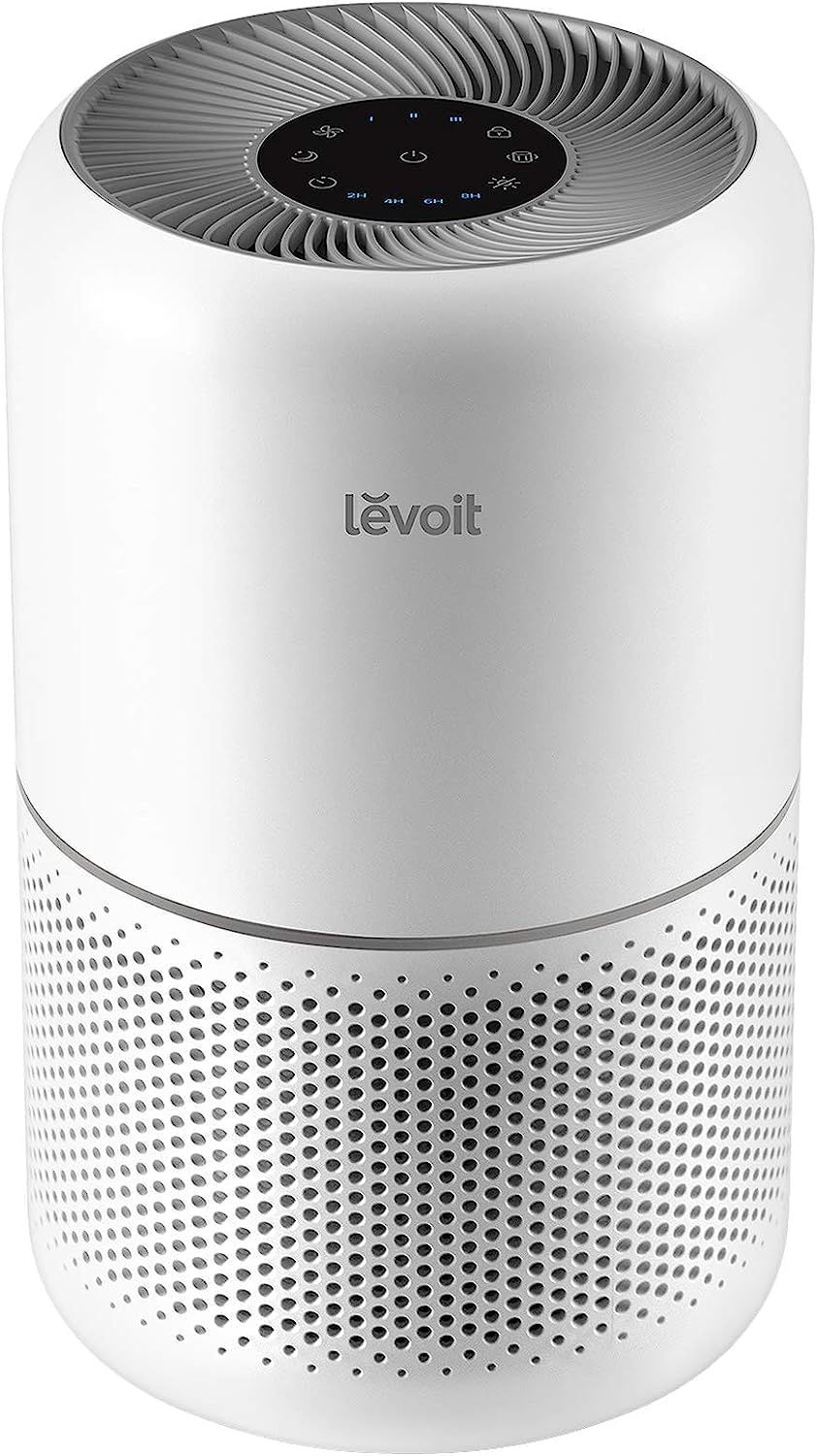
Our favorite all-rounder for homes with pets and allergies. A 3-in-1 H13 True HEPA filter captures 99.97% of dust, pollen, smoke, and pet dander, while 360° intake pulls air from every side. It’s AHAM Verified for rooms up to 1,073 ft² and runs at a bedroom-friendly 24 dB on its lowest setting, so it can clean overnight without keeping you awake.
If you want an air purifier built specifically with pet owners in mind, the Levoit Core P350 is a strong starting point. It’s marketed by Levoit as a pet-focused air purifier, positioned as a version of the popular Core 300 line with pet-specific filtration. Its compact size makes it easy to place in a bedroom, living room, or anywhere pet dander tends to build up, without taking over the room.
| Spec | Levoit Core P350 |
|---|---|
| CADR | 141 CFM (240 m³/h) |
| Room Coverage | Up to 219 sq. ft. (20 m²) |
| Filter Type | H13 True HEPA + Activated Carbon |
| Noise Level | Up to 50 dB |
| Weight | 7.5 lb (3.4 kg) |
| Price | ~$129.99 (check live price on Amazon) |
Pros
- Very quiet operation, especially in Sleep Mode, making it suitable for bedrooms and nurseries.
- Helps improve perceived air quality and may provide relief from allergy-related discomfort for some users.
- Compact and space-saving design that works well in smaller rooms.
- Multiple fan speeds and Sleep Mode give users flexibility for daytime and nighttime use.
- Filter replacement indicator makes it easier to know when the filter needs changing.
- Simple controls with a dimmable display, which is useful for people who prefer a dark room at night.
Cons
- Replacement filters can add to the long-term cost, especially when using genuine Levoit filters.
- Best suited to smaller rooms, so it may not be the right choice for large open spaces.
- Filter availability can sometimes be inconvenient, with generic replacements appearing alongside genuine filters.
- Some users may need to run it continuously to maintain the desired air quality.
- Limited fan-speed options compared with some larger or more advanced air purifiers.
- Results can vary by individual and environment, particularly for allergy or breathing-related benefits.
2. MOOKA Air Purifier, model KJ190H— Best for Large Rooms or Multiple Pets
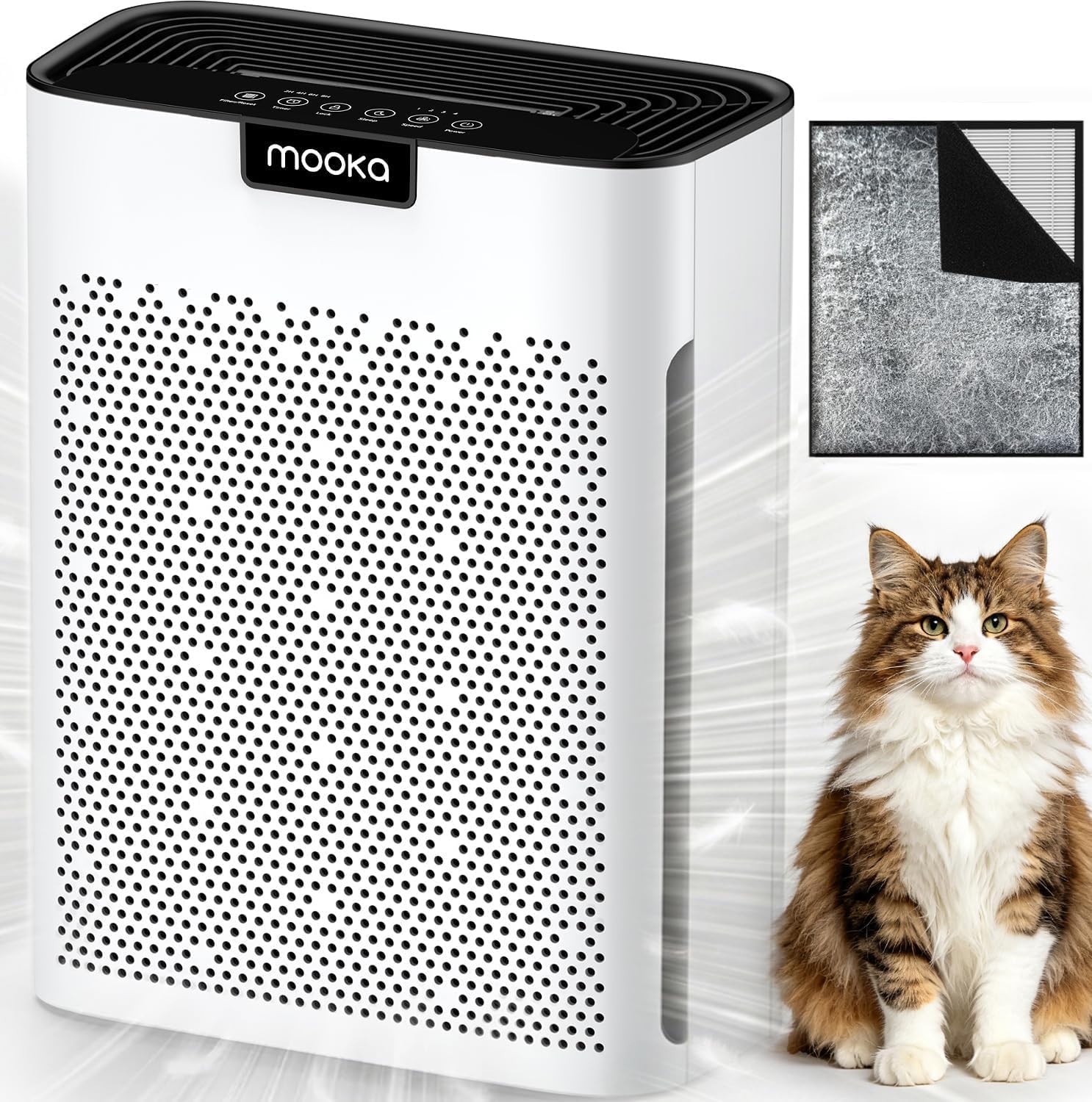
Built for big, open spaces where smaller units can’t keep up. It’s rated to cover up to 2,200 ft², and its 3-layer system — a washable pre-filter, H13 True HEPA, and activated carbon — tackles dust, pollen, pet dander, and odors. A quiet sleep mode, timer, optional night light, and aromatherapy sponge make it easy to leave running in a living room or open-plan area.
If you need serious coverage think open-plan living rooms or homes with more than one pet the MOOKA KJ190L is built for scale. It uses a 3-stage filtration system with a washable pre-filter, H13 HEPA filter, and activated carbon layer, and is rated to cover spaces up to 2,200 sq. ft., making it one of the larger-coverage options in this list.
MOOKA KJ190L — Key Specs
Pros
- Quiet operation, especially on the lower speeds and Sleep Mode.
- Effective odor reduction, with users specifically mentioning improvements with cooking smells and cigarette odors.
- Easy setup and simple controls, with no complicated assembly required.
- Air-quality indicator helps users see changes when smoke or other pollutants are present.
- Easy filter maintenance, including a convenient QR code for finding replacement filters.
- Affordable option for users looking for a budget-friendly air purifier.
Cons
- Pet odors may not be completely eliminated, according to one user.
- No companion mobile app, so users cannot monitor air-quality readings or control the purifier from a phone.
- May not be ideal for larger homes when used as a single unit, especially if placed in one room.
- Air-cleaning performance may vary depending on the type of odor or pollutant, as some smells can remain.
- Aromatherapy feature may not be useful to everyone, particularly if fragrance isn’t a priority.
- Higher fan speeds may be more noticeable, even though the lower settings are generally quiet.
3. Levoit Core Mini-P Air Purifier— Best for Small Spaces or Apartments
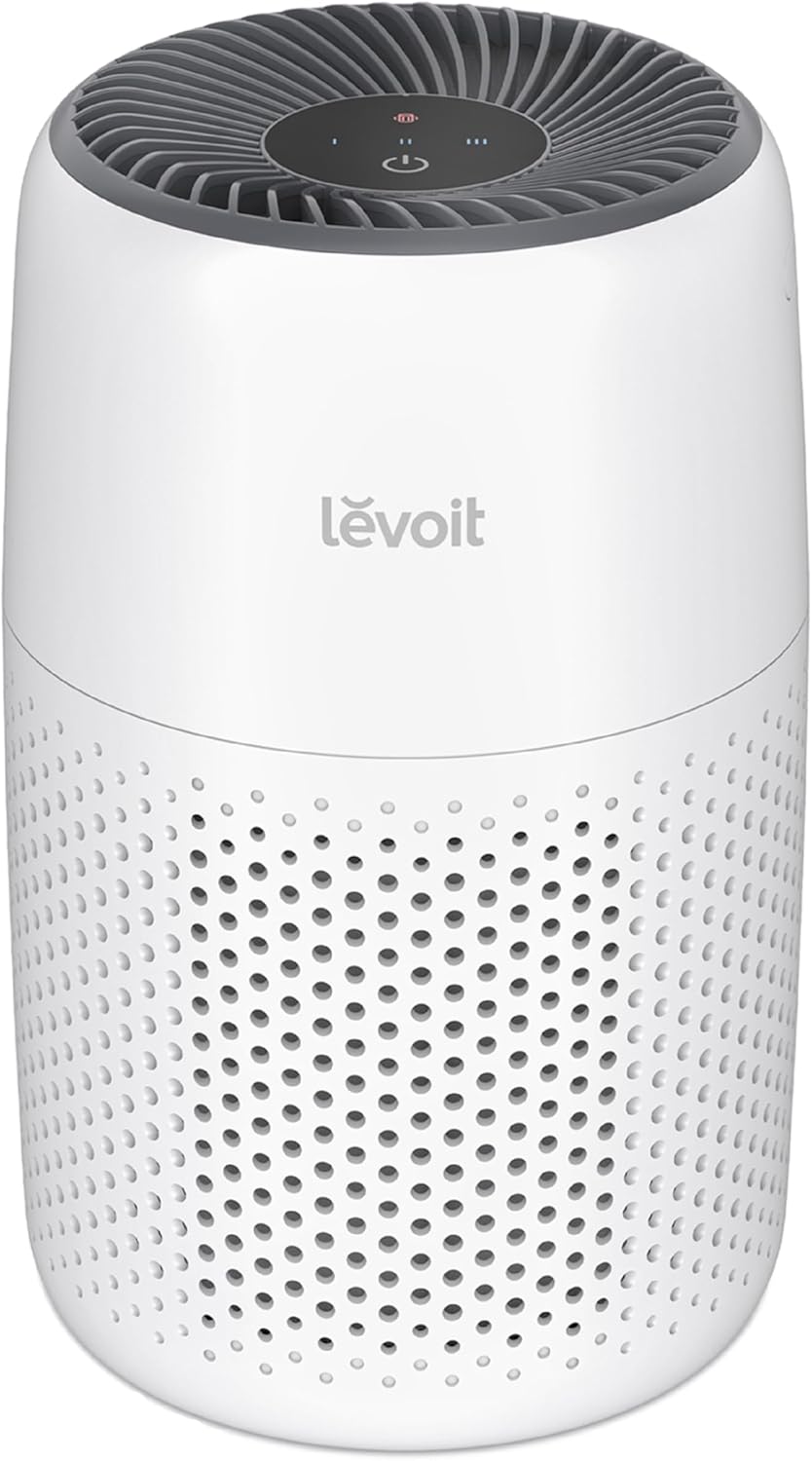
The affordable choice for small spaces — a desk, a dorm, a nursery, or a bedside table. Despite its compact size, it runs a 3-in-1 filter (pre-filter, HEPA, and activated carbon) to handle dust, smoke, pet dander, and odors in rooms up to 255 ft². An aroma pad lets you add a few drops of essential oil, and it’s quiet enough to leave on all night.
If you just need something compact and affordable for a bedroom, home office, or nursery, the Levoit Core Mini fits the bill. It’s the smallest and most budget-friendly option in this roundup, using 3-stage filtration with a built-in aromatherapy function, and is designed for personal spaces rather than whole rooms or open floor plans.
Levoit Core Mini — Key Specs
Pros
- Very quiet operation, making it suitable for bedrooms, offices, and nighttime use.
- Compact, space-saving design that fits easily on desks, nightstands, and small spaces.
- Simple setup and easy-to-use controls, with minimal maintenance required.
- Helps reduce lingering odors and improve perceived air freshness, according to several users.
- Useful for smaller rooms and personal spaces, particularly where space is limited.
- Aromatherapy feature adds an optional way to introduce fragrance while the purifier runs.
Cons
- Limited coverage compared with larger air purifiers, making it better suited to smaller rooms.
- Higher fan speeds can be more noticeable, although the purifier is generally quiet.
- May require multiple units if you want to cover several rooms or a larger home.
- Air-quality improvements can be difficult to measure, so results may vary depending on the room and environment.
- Not a replacement for other allergy-control measures, particularly for significant allergens such as dust mites.
- Some users may prefer a larger or more advanced model for greater coverage and additional monitoring features.
4. PuroAir 240 HEPA Air Purifier— Best for Strong Pet Odors

The pick if allergies or smoke are your main concern. Its 3-layer filter pairs a HEPA layer with CarbonTech to trap fine particles and absorb odors, and an auto air-quality sensor ramps the fan up on its own when the air gets worse, then eases off when it clears. Rated for rooms up to 1,000 ft², it cleans 24/7 and drops to a quiet sleep mode at night.
Marketed as a high-efficiency HEPA 14 air purifier for bedrooms and allergy-prone homes, the PuroAir uses a true HEPA 14 filter rated to capture ultra-fine particles down to 0.1 microns, paired with an activated carbon layer for odors.
PuroAir HEPA 14 — Key Specs
Pros
- Quiet operation, with users describing it as whisper-quiet and suitable for bedrooms and offices.
- Effective filtration for allergens and odors, with users reporting fresher air and less noticeable dust, pollen, smoke, and cooking smells.
- Automatic air-quality mode adjusts fan speed based on detected air conditions, reducing the need for manual adjustments.
- Easy setup and maintenance, with straightforward instructions and a filter replacement indicator.
- Compact, modern design that fits well in bedrooms, offices, and living spaces without being overly bulky.
- Suitable for continuous use, with users reporting that it can run for extended periods without noticeably increasing electricity costs.
Cons
- Replacement filters add an ongoing cost, which should be considered when calculating long-term ownership expenses.
- May require multiple units for larger homes or multiple floors, particularly when users want dedicated purification in several rooms.
- Performance can vary depending on the environment, so results reported by users may not be the same for every home.
- Some users may need to run it continuously to maintain the desired air freshness and filtration.
- Not a substitute for addressing the source of serious air-quality problems, such as mold growth or persistent moisture issues.
5. Blueair Blue 511 Air Purifier— Best Budget Option
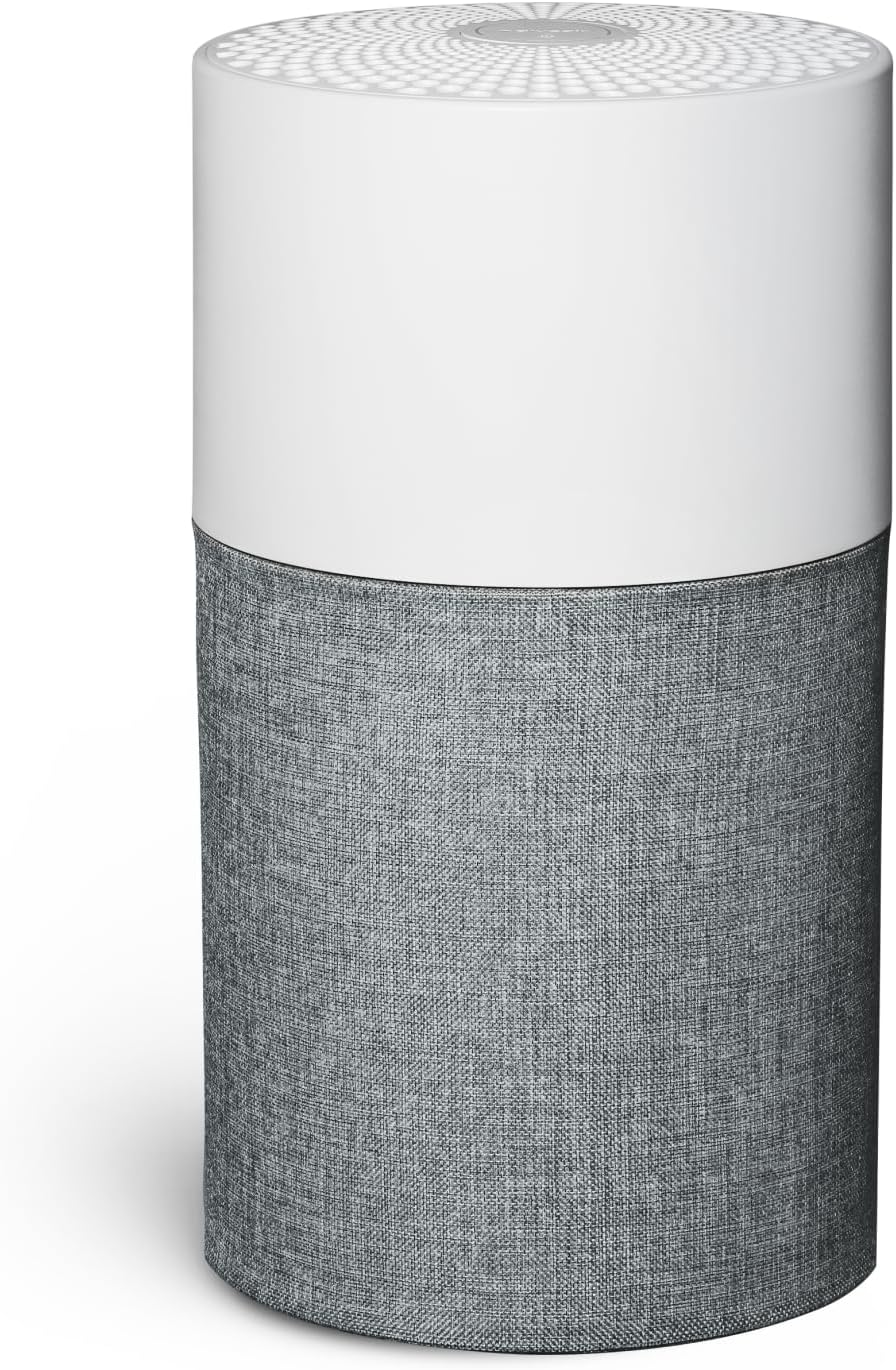
The pick for anyone who just wants clean air with zero fuss. Blueair’s HEPASilent technology combines mechanical and electrostatic filtration to catch fine particles while staying whisper-quiet — around 23 dB on low. There’s no app or menu to learn, just one button and three fan speeds, plus a washable pre-filter. It’s rated for rooms up to 907 ft².
The Blue Pure 511 is Blueair’s most compact model, built around their signature HEPASilent technology, which combines mechanical and electrostatic filtration to clean air quietly and efficiently. It’s designed for small-to-medium rooms like bedrooms, home offices, or apartments, and its 360° air intake means it doesn’t need to be placed against a wall.
Blueair Blue Pure 511 — Key Specs
Pros
- Very quiet operation, especially in Night Mode
- Easy app and Wi-Fi control with real-time air-quality monitoring
- Compact and lightweight design makes it easy to move between rooms
- Helps reduce pet odors, dust, pollen, and other airborne particles based on user experiences
- Auto Mode adjusts fan speed automatically based on detected air quality
- Stylish design that fits well in bedrooms, offices, and living spaces
Cons
- Some users reported random shutoffs, which may indicate a reliability issue
- Better suited to bedrooms and smaller spaces than as a single purifier for an entire large home
- App and smart features may be unnecessary for users who prefer simple manual controls
- Higher fan speeds can be more noticeable, despite the quiet Night Mode
- Replacement filters add an ongoing cost
- Individual results may vary depending on room size, pollutants, and usage
Choose Your Air Purifier in Under 60 Seconds
Skip the research — find the pick that matches your need and go.
Do Air Purifiers Really Help With Pet Hair and Dander?
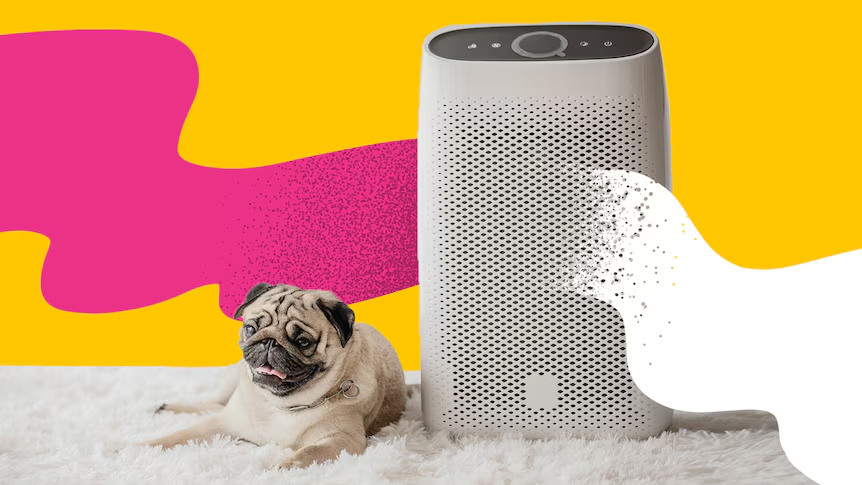
Air purifiers can filter particles in the air when they have the right type of filters and are used in the right sized room. This may also apply to airborne dander but does not imply that the purifier will get rid of all the pet-related particles.
Hair and the air particles are different; many of them settle on the floor, furniture, and clothes. Regular cleaning is required, and pet owner reviews about air purifiers provide another viewpoint on how reviewers make a distinction between filtering air particles and overall cleaning of the house.
I would consider an air purifier to be a component of the routine, not the solution itself. An air purifier may tackle particles floating in the air, while cleaning, grooming, and taking care of odor sources are other components of the solution.
Final Verdict — Which Air Purifier Should You Buy?
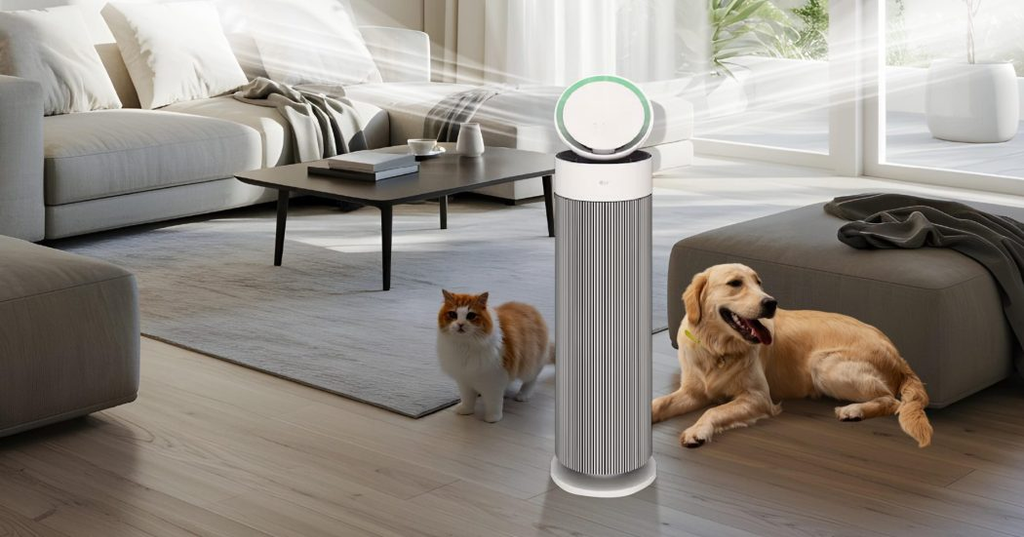
Start with the room you plan on improving and the problem you’re experiencing. You will need to verify particle filter specification for dander or activated carbon information for odor removal, while also verifying whether the given room recommendations fit your specific room.
It is easy to use the labels of the products below as guidelines, but their present-day specifications will define the final choice. Do not rely entirely on the provided filter types, replacements or manufacturer’s recommendations for the model names or categories like “best for.”
If you have not yet made your mind, study additional product reviews and use the above questions for your comparisons. The pet air purifier you need will be the one that has the right specifications according to your needs and room size.
Explore More Gear Reviews
Browse the site’s gear reviews for more practical product coverage, then use the same careful approach to compare specifications and ongoing costs.
Frequently Asked Questions
Can an air purifier remove pet hair?
It may capture some material while it is airborne, but most hair settles on surfaces. Regular vacuuming and cleaning are still needed.
Do air purifiers help with pet dander?
A purifier with suitable particle filtration may reduce airborne dander in a properly sized room. It cannot remove material that has already settled around the home.
Does activated carbon help with pet odors?
Activated carbon is used for odor-related filtration. Check the specific filter details, since the amount and design can vary between products.
Where should I place an air purifier in a home with pets?
Use the manufacturer’s placement guidance and choose a location with enough open space for airflow. Avoid placing it where furniture or curtains block its intake or outlet.
How often should I replace an air purifier filter?
Follow the manufacturer’s instructions for the specific filter and model. Replacement timing can vary with the filter, use, and conditions in the room.
Is a larger room rating always better?
Not necessarily. Match the stated coverage and CADR to the room where you will use the unit, and check the assumptions behind the coverage figure.
Should I use an air purifier instead of vacuuming?
No. A purifier can address some airborne particles, while vacuuming and surface cleaning remove settled hair and debris. They work best as complementary tasks.