
First Alert Replacement Smoke Alarm: How to Choose and Install the Right One

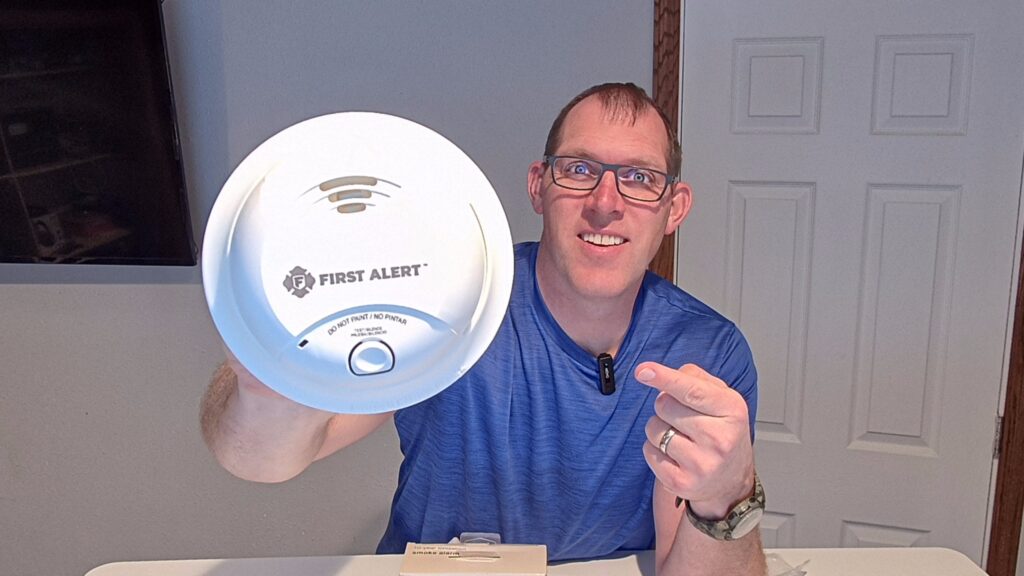
I’ve been meaning to get around to replacing my old smoke alarms for a while now. It’s one of those things that always seems to slip down the to-do list, but honestly, it’s pretty important. My current First Alert smoke alarm is getting on in years, and I know they don’t last forever.
So, I decided to finally tackle it. I figured I’d share what I learned about choosing and installing a new first alert replacement smoke alarm, just in case you’re in the same boat.
Key Takeaways
- Your smoke alarm needs replacing if it’s old, chirps constantly, or doesn’t test properly. Most alarms last about 10 years.
- Before buying a new one, figure out if your old alarm was battery-powered or hardwired. This makes choosing the right first alert replacement smoke alarm much easier.
- Consider dual-sensor alarms for better detection of both fast-flaming and slow-smoldering fires. Also, think about features like 10-year sealed batteries or voice alerts.
- When installing, put alarms on every floor, in every bedroom, and near sleeping areas. Keep them at least 10 feet from kitchens to avoid false alarms.
- Proper placement and timely replacement are key to making sure your first alert replacement smoke alarm works when you need it most.
How to Tell If Your First Alert Smoke Alarm Actually Needs Replacing
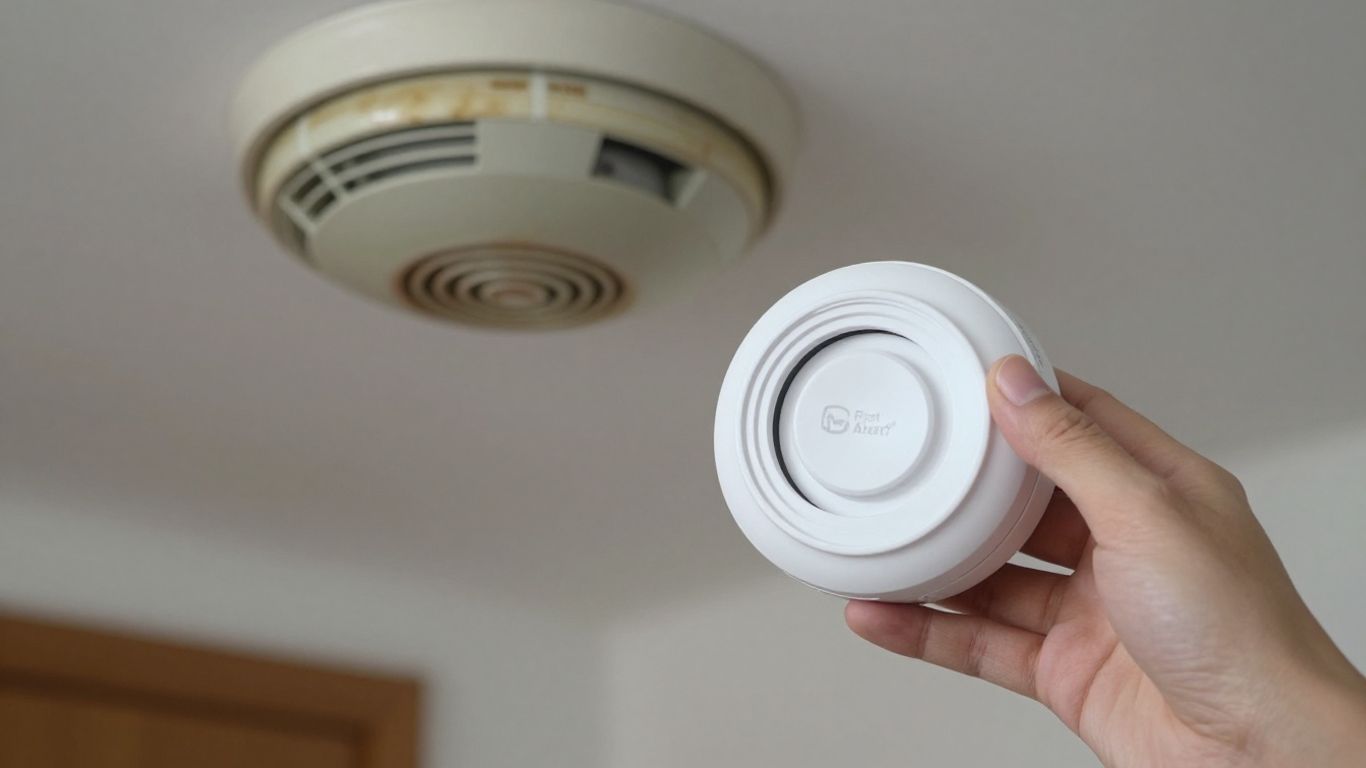
Smoke detectors are usually the kind of devices that we tend to neglect until they start ringing. However, their service life is not eternal. I got to experience it firsthand some years ago when a little kitchen blaze almost turned into a real disaster because my detector was no longer operating effectively. So, how can one tell when it’s necessary to replace one’s outdated First Alert with a newer version?
Well, one can start by checking the expiration date. Smoke detectors, including those of the First Alert brand, usually serve for up to ten years since their manufacture date.
One can usually find that particular data on the detector itself on its reverse or lateral surface. In case the expiration date of your First Alert is approaching or it has long gone, then it’s high time to buy a new detector.
Another key indicator would be an unending series of chirps or beeps regardless of having changed the batteries. While one chirp may simply indicate a low battery, continuous chirping despite having installed new batteries might mean that the inner parts have started malfunctioning.
It is also worth noting that old alarms tend to be sensitive, triggering frequent false alarms, which can be extremely frustrating.
If your smoke alarm is acting up, making weird noises, or just seems unreliable, don’t hesitate to replace it. Safety should always come first, and these devices are designed to protect you and your family. It’s better to be safe than sorry when it comes to fire detection.
Ultimately, if the smoke alarm fails a test, it is an obvious sign that it requires immediate action. According to fire safety experts, all smoke alarms must be tested every month by pressing the button on the alarm.
In case it does not produce an alarm sound, or if its alarm sound is faint, chances are that it will fail in an emergency situation.
Step 1 — Identify Your Current Alarm Type Before Buying a Replacement
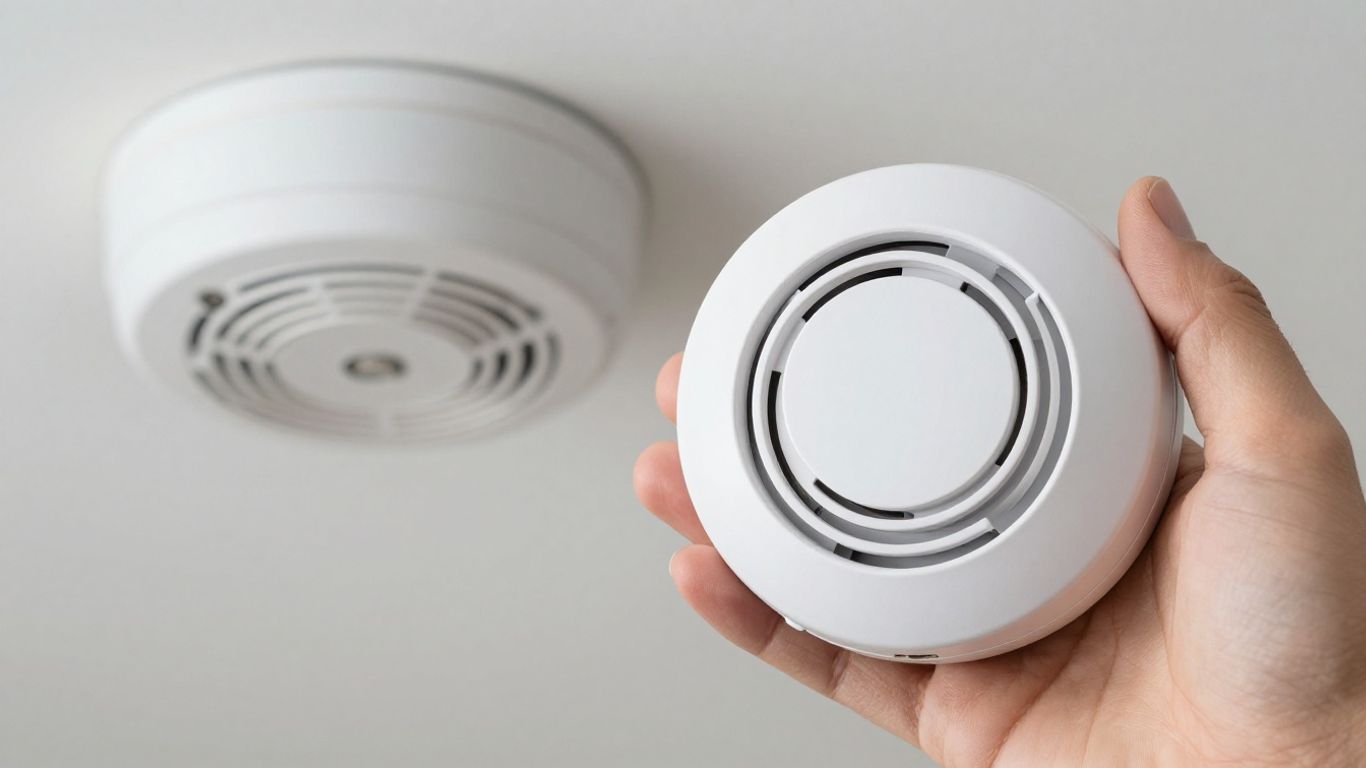
Before I start looking for a smoke alarm to install, there are certain things I will have to figure out. Now, you might find that quite obvious, but believe me, there are actually several types of alarms that exist, and they are not compatible with one another. This is why I must first establish what type I currently own.
The following step is to examine the existing alarm. The things I am examining include:
Power Source: Are the devices battery-operated or wired directly to my house’s electricity supply? Hardwired fire alarms include a backup battery, but their primary power comes from the electrical wiring of the house. Battery-operated alarms require more battery changes but are easier to set up.
Sensor Type: Almost all fire alarms include a photoelectric, ionization, or dual sensor. While ionization smoke alarms tend to work better in the case of fast, flaming fires, photoelectric detectors work best when there is smoldering combustion. In doubt, a dual-sensor alarm would be a reasonable choice.
Interconnection: Can the alarm work in connection with other similar alarms in my house? The ability of fire alarms to work as an interconnected system plays a crucial role in ensuring additional safety in houses with a large area. Therefore, I should make sure if my current system includes this feature.
Brand and Model: Often the names of brands and models can be found right on the front or back side of the detector. In some cases, this information may be necessary to get more information on compatibility.
Identifying the details of my existing smoke detector is by far the most crucial first step to undertake. I am not simply looking at replacing an outdated unit but ensuring that whatever new unit I install works properly within the context of my own property. Failing to do so would be like trying to purchase a new shoe without knowing my size.
In case I am having difficulty recognizing the smoke detector type, I could try looking at the original package if I have it, or even finding the model number through an online search.
At times, it may be helpful to refer to the guide found on the website of the smoke detector manufacturer in identifying its type.
Step 2 — Choose the Right First Alert Replacement Model
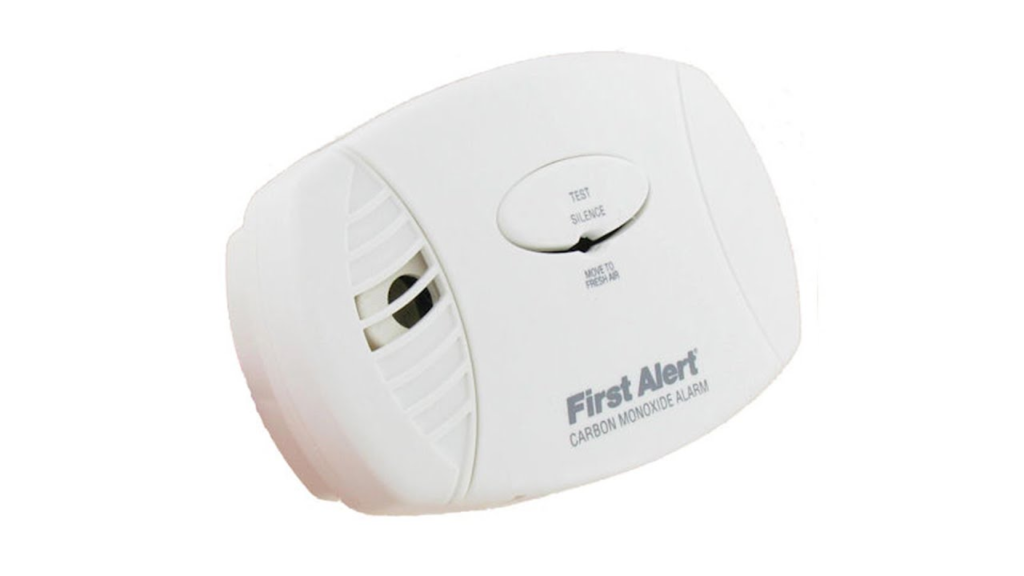
So you have made the decision that you need to replace your old smoke alarm now. The next thing I am going to discuss is how I would go about selecting the new smoke alarm to be installed. Of course, there are a number of factors to take into consideration when deciding on the new replacement.
To start with, I would have to select the correct sensor. Some types include the following:
- Photoelectric: This type of sensor tends to perform well in detecting slow burning fires. Imagine a smoldering cigarette butt in your sofa.
- Ionization: This type responds quicker to fast burning fires. For example, a fire in the kitchen cooking with a little grease.
- Dual-Sensor: My favorite kind is this type because it covers more ground since it combines both previous types.
Then I have the power source to consider. Is it battery-operated, meaning do I just replace it when the current one wears out, or is it hard-wired? This will determine whether the new alarm will fit into my electrical system.
There are folks who find it very handy that some alarms use a 10-year sealed battery. It means not having to worry about battery changes once per year and knowing the battery can last throughout the lifetime of the alarm.
Finally, I also consider the additional options. For example, will the alarm beep only, or should it also speak out? The voice alert will be useful in many cases because it does not only indicate the occurrence of a fire hazard but also helps to determine its location precisely.
In case I am going to replace the alarm, which is integrated into a system, I have to consider whether it is possible to integrate the newly acquired alarm with the rest. The ability to interact with other alarms is important to provide safety throughout the house.
People who appreciate modern technologies may opt for a smart alarm system, which allows sending notifications via mobile phones. When it comes to selecting a suitable alarm model, the First Alert SC5 Hardwire Smart Smoke and CO Alarm can be considered.
When I’m choosing a replacement, I try to think about the specific room or area. A kitchen might benefit from a dual-sensor alarm, while a hallway might be fine with a single-sensor type, depending on what I’m replacing. It’s all about getting the right protection where I need it most.
The Interconnect Compatibility Check

Alright, let’s assume you have decided that you definitely need a replacement smoke detector. The thing is, before purchasing the first device you come across, there is something extremely crucial to consider, particularly if you have interconnected detectors.
Having interconnected smoke detectors means that once one detector triggers an alarm, they all sound simultaneously. It is a great advantage in terms of security, but only if the new detector can communicate with existing ones. Here are the aspects I usually examine:
- Hardwired vs. Battery: In most modern houses where interconnection is used, hardwired alarms are used. They can be interconnected through a specific cable. For users of hardwired alarms, the replacement must be compatible with their system. Fortunately, many newly produced alarms by First Alert and BRK feature a universal wire harness, making it easier to exchange them without rewiring the whole system. More information about interconnecting smoke alarms can be found here.
- Brand and Model: The best course of action would be to replace the existing alarms with those made by the same company. First Alert alarms should be compatible with other alarms made by First Alert and BRK. There are some exceptions, like Nest Protect that is compatible with some First Alert alarms. Mixing different brands may cause issues.
- Wired or Wireless Interconnect: Alarms can be either wired or wirelessly connected. One has to ensure that the new alarm uses the same technology as existing ones. For the majority of users, it is necessary to examine the wiring of their alarms carefully or read the manuals.
If you have a mix of alarm types or brands, or if you’re just not sure about compatibility, it’s always a good idea to consult the manufacturer’s documentation or even give their customer support a call. Getting this right means all your alarms will work together when it matters most.
Don’t skip this step! Making sure your new alarm can communicate with your existing system is key to maintaining a complete safety network throughout your home.
How to Replace a Battery-Powered First Alert Smoke Alarm
Alright, so you have one of those First Alert smoke detectors that’s powered by batteries and either chirps or just looks like it’s on its last legs. Changing the batteries is generally an easy job, and quite frankly, it’s one that I always make sure to do at least annually, whether or not it chirps.
And here’s how I usually go about it:
Power Down (Safely): The first thing you should do, depending on the connection of your smoke alarm system, is turn off the circuit breaker at the breaker box to shut off the electricity for the interconnected units. This may not be required if you are simply changing a battery, but it’s best to do it on the safe side. If your smoke alarm is a single unit requiring battery power, move forward.
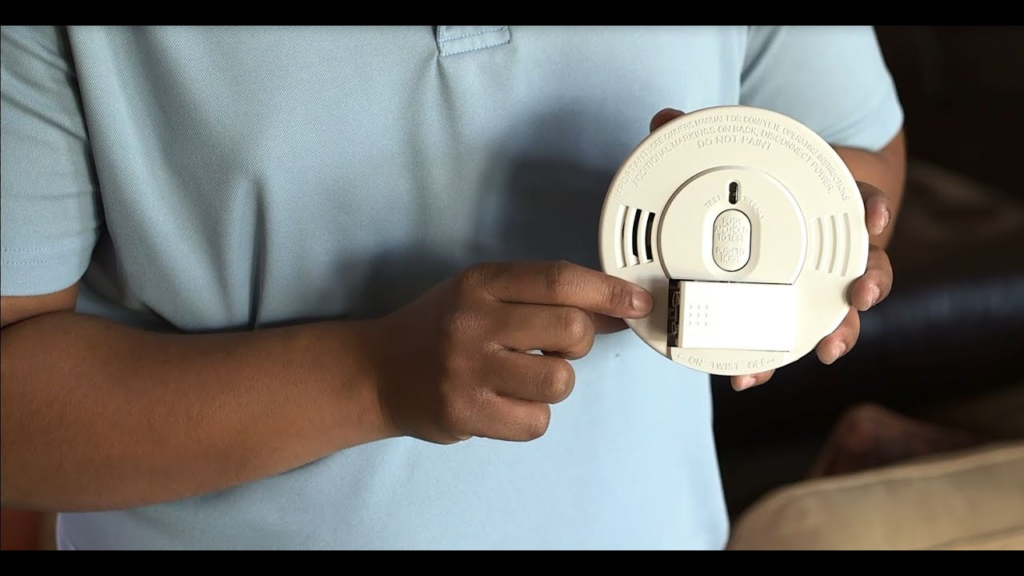
Open It Up: There should be an opening on your battery-operated First Alert smoke detector that can be accessed easily by unscrewing the unit from the mounting bracket. Some of them may have a small tab or a small button to be pushed to unlatch the battery opening panel. Gently use your fingers to pop the battery lid open.
Swap the Battery: Now all you need to do is remove the battery that has expired. Remember to note how the terminals face so you can install the new one in the correct orientation. Have a new 9V battery ready. Insert the battery into the unit, ensuring the proper placement. This is an essential step when it comes to [first alert smoke alarm battery replacement].
Close and Reattach: Close and Reattach: Click the battery cover back in place. Then, attach the alarm to its base again. Twist it until it clicks into place.
Test It Out: This is the most critical step! Hold down the test button of the alarm for a few seconds. Listen for a clear chirping sound. If it doesn’t chirp, check the battery to ensure it is installed properly and that you have put in a new one. Even after doing a [first alert smoke alarm replace battery], sometimes the alarm needs a resetting.
If your alarm continues to chirp or act up after changing the battery, it might be a sign that the unit is nearing its end-of-life. Most smoke alarms need to be replaced entirely after about 10 years, regardless of battery status. It’s always better to be safe than sorry when it comes to fire safety.
How to Replace a Hardwired First Alert Smoke Alarm
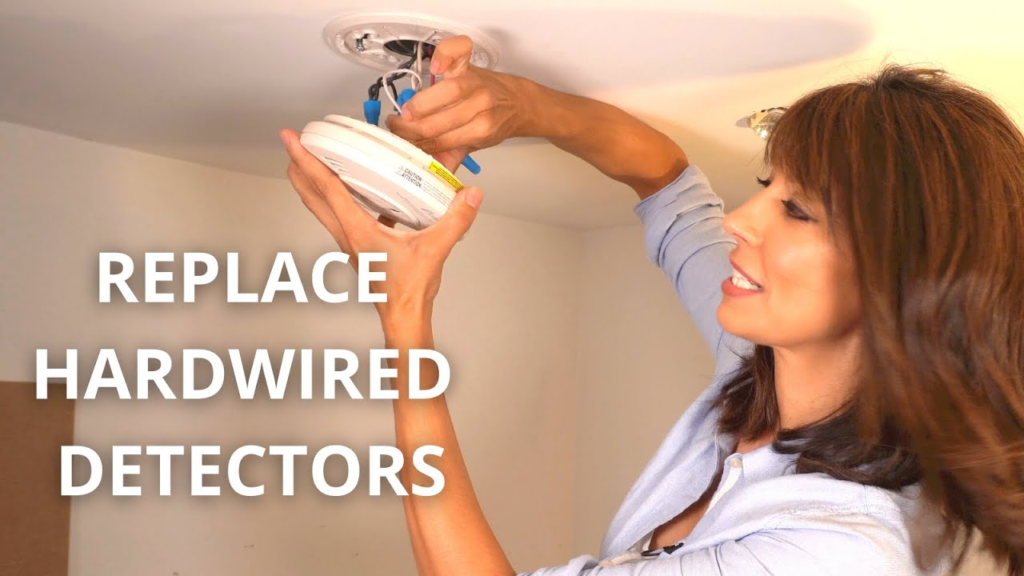
The idea of replacing a hard-wired smoke detector could appear frightening, particularly for those who do not possess any skills. At least, this thought occurred to me the first time I needed to perform this action. In reality, this procedure is quite simple to follow and can be completed independently.
To begin with, you should shut down the electricity supply for the smoke detector. It is crucial for your safety reasons. First of all, go to the circuit breaker box in your home and switch off the breaker responsible for controlling your smoke alarms.
It would be reasonable to press the test button to see whether there is any reaction from the detector you need to remove. Then you should be sure that the electricity is cut off.
After these preparatory steps, you can start replacing the detector. Here is how I usually do it:
- Remove the Old Alarm: The majority of hardwired systems can simply be unscrewed from their mounting plate. However, some may require the pushing of a small tab. Once detached, carefully pull the old system down. You will notice a wiring harness leading to the system from the house wiring.
- Disconnect the Wiring: Next, you must detach the wiring harness from the rear end of the old unit. Again, some models have small tabs or clips that need to be pushed before the process begins. If your old unit has a backup battery, you must remove it as well.
- Connect the New Alarm: Now, take out your new alarm system, which is a First Alert unit. You will notice a wiring harness attached to the unit. Plug the wiring harness from your new alarm into the one coming from the wall/ceiling, making sure to align the wires correctly.
- Mount the New Alarm: Connect the new unit onto its bracket. It will twist or clip into position. Ensure that it’s in place properly.
- Restore Power and Test: Head back over to your electrical box, switch the power back on, and push the test button on your new alarm. You should hear a loud noise. If not, then you know where the problem lies.
Remember, safety is the main goal here. Always double-check that the power is off before you start messing with wires. If you’re ever unsure or uncomfortable with any part of the process, it’s always best to call a qualified electrician. It’s better to be safe than sorry when it comes to your home’s safety systems.
If you need more information about how to install your alarm system, no matter whether it is wired or not, there are a lot of useful guides available online that will help you understand how to install it properly and where it should be placed. It never hurts to have a step-by-step guide in case you have to deal with something that works with electricity.
Where to Place Your Replacement Alarm (Most Homeowners Get This Wrong)
Okay, you have your brand-new First Alert smoke detector, and now you’re wondering where to install it. Well, this is the step where most people fail, but it really isn’t that hard once you understand the fundamentals. You need to get the positioning correct to ensure the effectiveness of your alarm system.
The first thing you should consider is the movement of smoke. Remember, smoke rises, which makes placing the device in the center of the ceiling a good choice.
If you want to position it on a wall, choose an upper corner, but make sure that it’s not too close to the ceiling itself. Typically, 4 to 12 inches below the ceiling is a good place to start.
Here is a brief list of installation spots:
- On every level of your home: This includes the basement and any attics you use regularly.
- Inside each bedroom: People sleep here, and fires can start anywhere.
- Outside sleeping areas: Think hallways or landings where you’d hear it if a fire started while people were asleep.
- Avoid the kitchen: Seriously, unless it’s a combo alarm specifically designed for it, keep it at least 10 feet away from cooking appliances. Nobody wants a false alarm every time they fry an egg.
You also want to avoid placing alarms right next to windows, doors, or air vents. Drafts can mess with the smoke detection, and you don’t want your alarm getting confused by air currents instead of actual smoke. It’s all about giving it a clear path to detect a fire.
In case of installing a replacement system, it is expected that it would be installed at the very same place as the previous one, which will not be a problem.
However, when there is a plan to install it somewhere else or just as a general guideline, it would be appropriate to keep in mind the following. First, hard-wired alarms should be installed correctly, since their effectiveness relies greatly on that. The installation of battery-operated alarms is less restrictive, though.
Wrapping Up Your Smoke Alarm Choice
So, picking out the right smoke alarm might seem like a small thing, but honestly, it’s a pretty big deal for keeping everyone safe. I learned a lot going through the different types, from the basic battery ones to the fancy smart ones that talk to your phone.
It really comes down to what works best for your house and what you’re comfortable with. Whether you go for a dual-sensor model for better all-around detection or a 10-year battery unit to avoid the hassle of changes, the main thing is getting them installed correctly and testing them regularly.
Don’t forget to check when they expire, too – they don’t last forever! Taking these steps gives me a lot more peace of mind.
Frequently Asked Questions
How do I know if my First Alert smoke alarm needs to be replaced?
Most smoke alarms need to be replaced every 10 years. Always check the manufacture date on the back of your alarm. If it’s 10 years old or older, it’s time for a new one. Also, if your alarm starts making chirping noises that you can’t stop with a battery change, or if it doesn’t test properly, it’s likely time for a replacement.
What’s the difference between photoelectric and ionization smoke alarms?
Think of it like this: photoelectric alarms are better at catching fires that start slow and smolder, like a cigarette left on a couch. Ionization alarms are quicker to detect fires that flare up fast, like paper catching fire. Many people choose dual-sensor alarms, which use both technologies, to get the best of both worlds.
Should I get a battery-powered or hardwired smoke alarm?
If your old alarm was hardwired into your home’s electricity, you’ll likely want to replace it with another hardwired model for easy installation. If you had a battery-only alarm, you can choose a new battery-powered one. Battery-powered alarms are simpler for some, while hardwired alarms often connect to each other so if one sounds, they all do.
What does ‘interconnected’ mean for smoke alarms?
Interconnected alarms are linked together, either by wires or wirelessly. This means if one alarm detects smoke and starts beeping, all the other connected alarms in your house will also sound. It’s a great way to make sure everyone in the house hears the alarm, no matter where they are.
Are 10-year sealed battery alarms worth it?
I think they’re super convenient! These alarms have a battery built-in that lasts for 10 years, so you don’t have to worry about changing batteries for the entire life of the alarm. It saves you hassle, and you won’t have to deal with those annoying low-battery chirps in the middle of the night.
Where is the best place to put a smoke alarm?
You should have alarms on every floor of your home, inside each bedroom, and just outside sleeping areas. It’s also smart to put them at least 10 feet away from cooking appliances to avoid false alarms. Remember, smoke rises, so they usually go on the ceiling or high on a wall.
Ready to Choose the Right Smart Doorbell?
Now that you know how to install a smart doorbell, the real question is — which one is actually worth your money? Don’t guess. We’ve tested the top options so you can pick the best one for your setup.
👉 Pro tip: If you want zero monthly fees, start with Eufy. If you prefer Alexa integration, Ring might suit you better.


