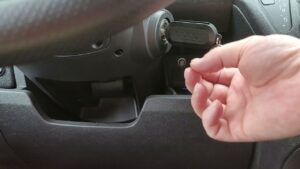
How to Get a Replacement Car Key Without the Original: A Complete Guide

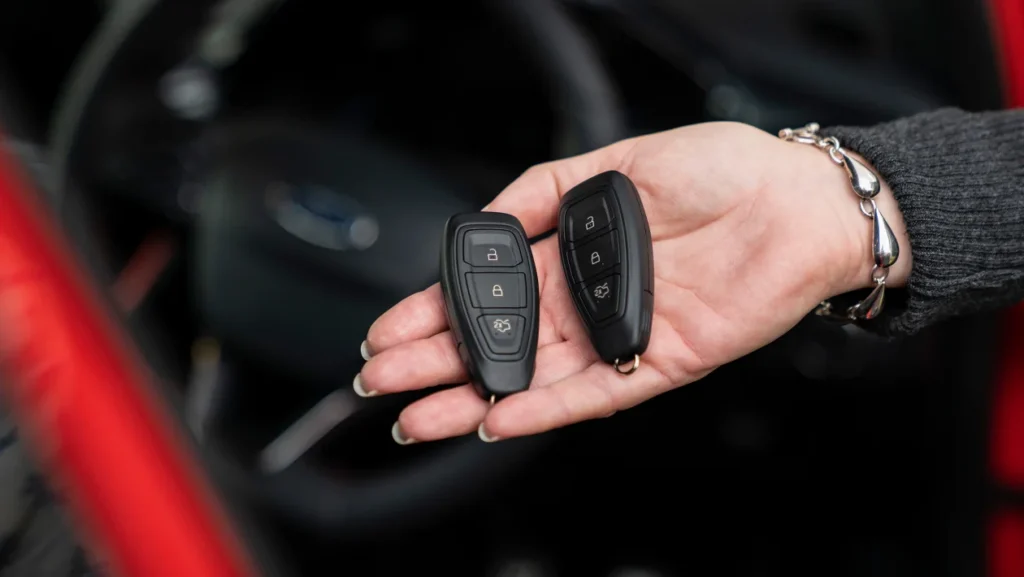
Picture this: You lose your car keys, and then you don’t have another set on hand so getting a replacement car key is like a mountain you have to climb.
This has happened to me and let me tell you, it’s not a pleasant experience. But don’t despair, it is not as difficult as it sounds.
So, by following this guide you will be able to get on the road without the hassle. Whether that’s dealerships, locksmiths or online services, we’ll deal with all of them so you know what to do.
Key Takeaways
- You can get a replacement car key without the original, but the process and cost depend on your car’s make, model, and key type.
- Dealerships are a reliable but often more expensive option, typically costing between $150 and $400.
- Professional automotive locksmiths are usually faster and more affordable, with prices ranging from $70 to $250, and they often offer mobile service.
- Online key replacement services can be cost-effective ($50-$200) but may take longer and often require local programming.
- For modern cars with transponder chips or smart fobs, programming is almost always necessary, adding to the overall cost and complexity.
Can You Get a Replacement Car Key Without the Original?
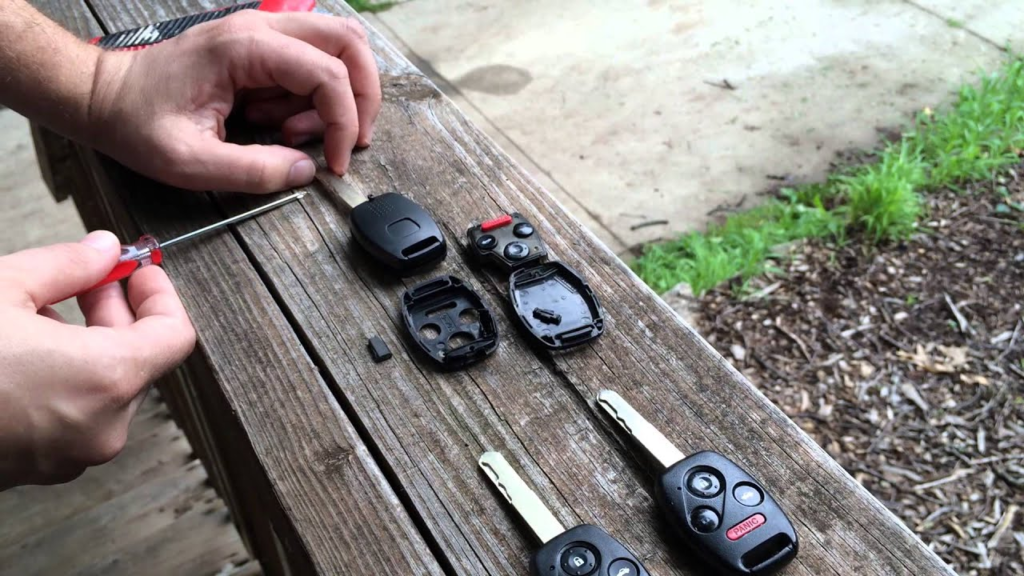
At first, I thought it would be a nightmare losing my only car key, but if I was empty-handed I still can get a new car key. With such advanced cars in these days, it is not the impeding factor anymore that there is no key. The key is to know what information is needed and who will be able to make another key for my vehicle.
So, when I need a new car key and don’t have a key that was originally made, this is what I do:
- Dealerships can provide replacement keys for most makes and models. They’ll ask for the car’s VIN and proof that I actually own the vehicle (stuff like registration or my insurance card). The process is reliable but tends to be pricier and sometimes a bit slow.
- Automotive locksmiths are usually faster and cheaper than dealerships. They can cut and program a new key using the VIN or even access the lock directly, often while I wait.
- Online services exist for some vehicles. After confirming details like my VIN and car model, they can mail me a key blank that I can have cut or programmed locally. It’s not instant and only works for certain key types, but it’s another route I’ve seen people use.
It’s important to understand that modern vehicles employ key codes that are associated with the VIN and locksmiths and dealerships can use the VIN to create a new key, without the need for the original key.
Here’s a super basic table for what you usually need:
| Info or Item | Why It’s Needed |
|---|---|
| VIN (Vehicle ID Number) | Key code lookup |
| Proof of Ownership | To prevent car theft |
| Vehicle Make/Model/Year | Key compatibility |
| Valid ID | Verification |
So, next time I misplace my keys, I won’t panic—I just need to gather those details and reach out for help. It’s surprising how prepared dealerships and locksmiths are for this situation.
Types of Car Keys — Which One Do You Have?
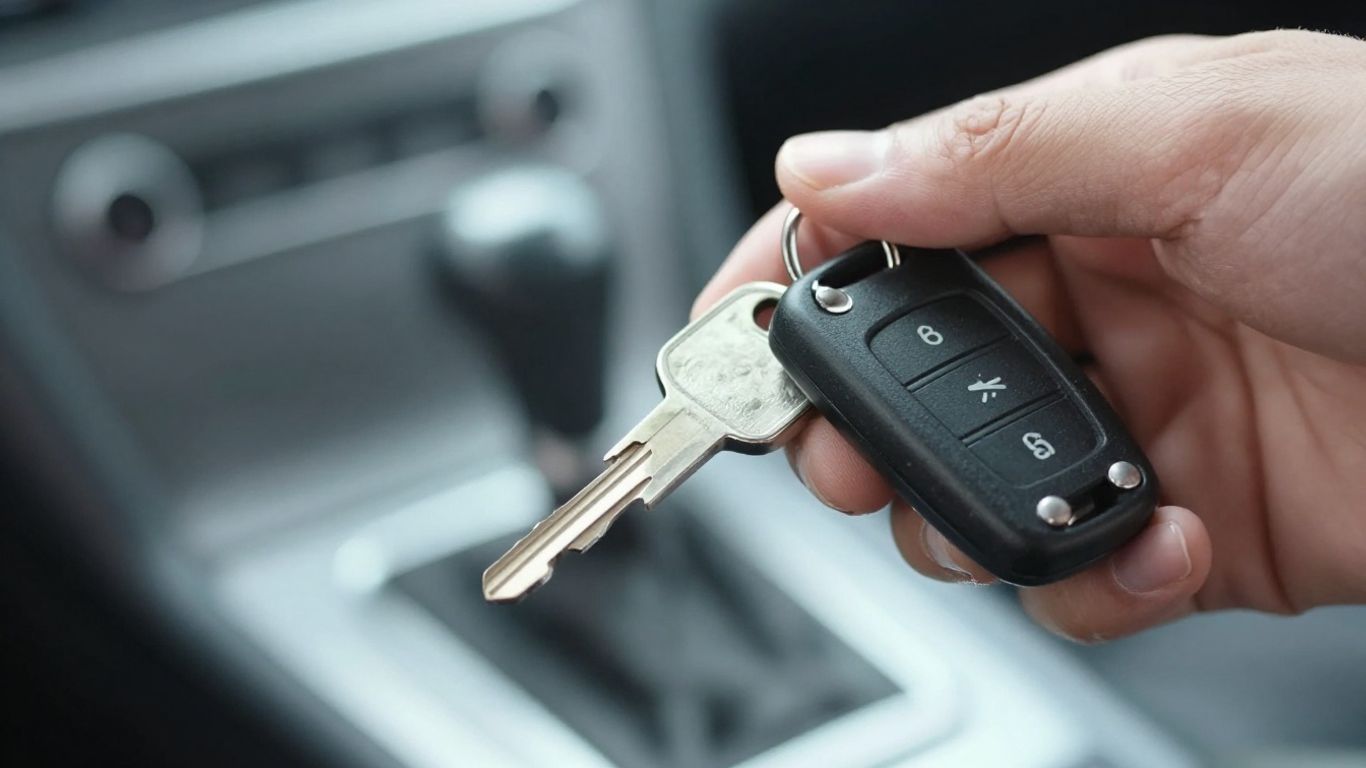
Okay, so before we get into the nitty-gritty of getting a new key without the old one, I need to figure out what kind of key I’m even dealing with. It sounds simple, but honestly, car keys have gotten pretty fancy over the years.
My old clunker had a basic metal key, but my neighbor’s new ride? It’s practically a spaceship key. Knowing your key type is super important because it totally changes how you’ll get a replacement and, let’s be real, how much it’s going to cost.
Traditional Metal Keys
These are the OG car keys. You know, the ones that are just a piece of metal with some cuts on them. They fit into a lock cylinder in the door or ignition and turn.
No chips, no batteries, nothing fancy. If you have one of these, you’re pretty lucky because they’re usually the cheapest and easiest to replace. You can often get a duplicate cut at a hardware store or a locksmith pretty quickly.
Transponder Keys
Now things get a bit more high-tech. Most cars made after the mid-90s have transponder keys. These look like regular keys, but there’s a small chip embedded inside the plastic head. This chip has a unique code that talks to your car’s computer.
When you try to start the car, the car checks for the right code from the chip. If it doesn’t match, the car won’t start, even if the metal part of the key fits.
This is a big security upgrade, but it means you can’t just get a cheap copy cut. You need a place that can program the new chip to your car. Automotive transponder keys are pretty standard these days.
Key Fobs and Remote Keys
These are the keys that let you lock and unlock your doors from a distance. They usually have a few buttons on them.
Sometimes, the key fob is separate from the actual metal key that starts your car, and sometimes the metal key is attached or even folds into the fob (we’ll get to those!).
The fob itself has a battery and a small transmitter. If your fob stops working, it might just need a new battery, but if you lose the whole thing, it’s a bit more involved to replace than a basic key.
Smart Keys and Push-to-Start Keys
These are the really fancy ones. If your car has a “Push to Start” button instead of a traditional ignition cylinder, you likely have a smart key.
These keys don’t even need to be inserted into anything. As long as the smart key is somewhere inside the car (like your pocket or purse), the car will let you start it by pressing the button.
They work using short-range radio signals. Losing one of these can be a real pain and usually costs the most to replace because of the advanced technology involved.
Switchblade Keys
I see these a lot, and they’re kind of cool. A switchblade key is basically a key fob that has the actual metal key blade hidden inside.
You press a button, and the key blade pops out, like a switchblade. When you’re done, you push it back in. It’s a neat way to keep your key and fob together in a compact package.
Replacing these involves getting both the key blade cut and the transponder chip programmed, so they’re a step up in complexity from a standard transponder key.
Figuring out which type of key you have is the first step. It dictates the replacement process, the tools needed, and the overall cost. Don’t skip this part!
Here’s a quick rundown to help you identify what you’re working with:
- Traditional Metal Key: Just metal, no electronics. Easy peasy.
- Transponder Key: Plastic head with a chip inside. Needs programming.
- Key Fob/Remote Key: Buttons for locking/unlocking. Has a battery.
- Smart Key/Push-to-Start: No ignition slot, car starts with a button. Very advanced.
- Switchblade Key: Metal key folds into a fob. Combines two types.
Knowing this will make the next steps much smoother. If you’re still unsure, take a close look at your key, or check your car’s owner’s manual. You can also often find helpful information about different types of car keys online or by calling a dealership.
How to Get a Replacement Car Key Without the Original
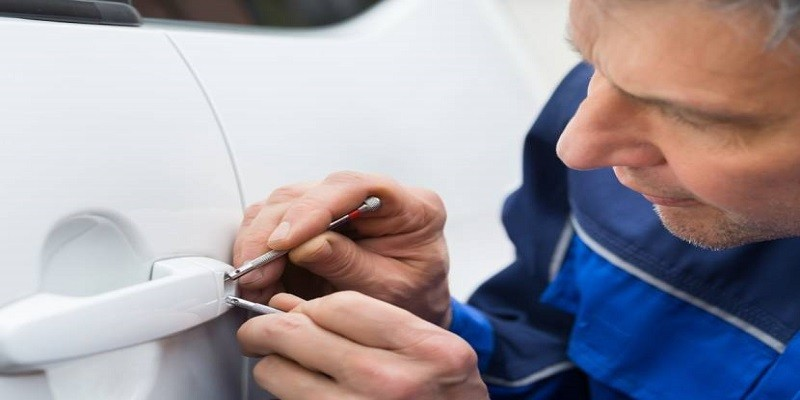
So, you’ve managed to lose your car key, and the original is nowhere to be found. It happens to the best of us, and honestly, it can feel like a real panic-inducing situation.
But don’t sweat it too much; getting a new key without the old one is totally doable. I’ve been through this myself, and let me tell you, it’s not as complicated as it sounds.
First off, you’ll need some information about your car. Think of it like proving you’re the rightful owner.
You’ll definitely want your Vehicle Identification Number (VIN), which you can usually find on your dashboard or your insurance documents.
Knowing your car’s make, model, and year is also super important. This info helps whoever is making your new key get it exactly right.
Here are the main ways I’ve found to get a replacement:
- Car Dealership: This is often the most straightforward route. They have all the manufacturer’s data and can cut and program a new key specifically for your car. The downside? It can sometimes be the priciest option, and you might have to wait a few days if they need to order parts.
- Automotive Locksmith: These folks are usually my go-to. They’re often more affordable than dealerships and can come to you, which is a huge plus if you can’t drive your car. They can handle everything from basic keys to more complex transponder keys and fobs. I found one that saved me a bundle on a smart key fob once.
- Online Key Replacement Services: This is a growing option, especially if you’re looking to save some cash. You order the key online, providing your car’s details, and they ship it to you. Just be aware that you might still need to get it programmed locally, and shipping times can vary.
The process for getting a new key without the original usually involves proving you own the vehicle. This might mean showing registration or insurance papers. An automotive locksmith or a dealership can help you with this.
When you’re looking for a locksmith, make sure they specialize in automotive keys. Not all locksmiths do, and you want someone who knows their way around car locks and electronics.
For online services, do a little digging to find reputable sellers with good reviews. It’s better to pay a little more for a trusted source than to get a key that doesn’t work.
Remember, the type of key you have – whether it’s a simple metal key, a transponder key with a chip, or a fancy key fob – will affect the process and the cost.
Knowing this beforehand makes things much smoother. If you’re really stuck, sometimes automotive locksmiths are the quickest way to get back on the road.
How to Get a Replacement Key for Specific Car Brands
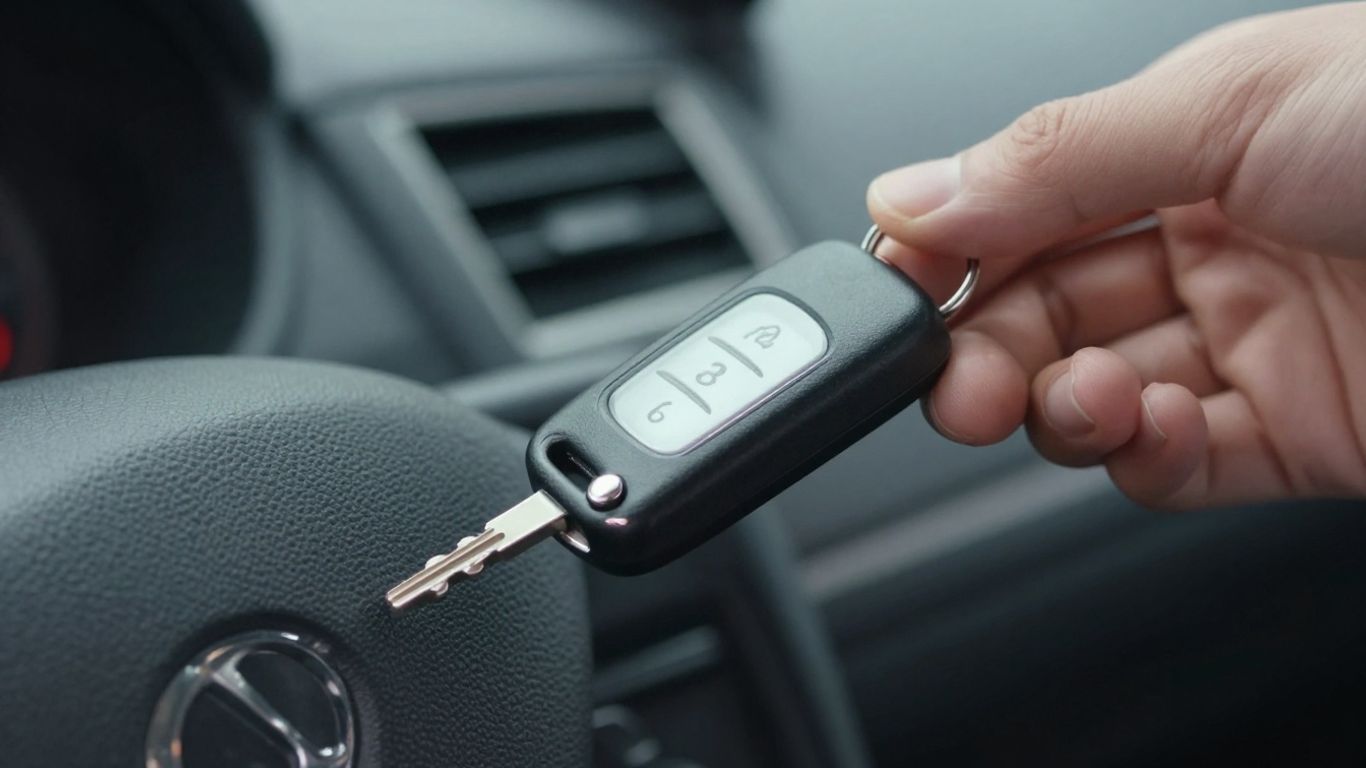
Okay, so you’ve lost your car key, and now you’re wondering how this whole replacement process works for your specific ride.
It’s not a one-size-fits-all situation, unfortunately. Different car brands, and even different models within the same brand, can have unique procedures and costs when it comes to getting a new key made without the original.
Dealerships: The Official Route
Your car’s dealership is always a sure bet. They have direct access to your car’s specific key codes, usually tied to your Vehicle Identification Number (VIN).
This means they can cut and program a new key that’s guaranteed to work. It’s often the most straightforward path, especially for newer cars with complex electronic systems.
- What you’ll need: Proof of ownership (like your registration or title) and a valid ID. They’ll also need your VIN.
- Pros: They know your car inside and out, and it’s usually a reliable process.
- Cons: This is typically the most expensive option, and it can take a few days, sometimes longer, if they have to order parts.
Locksmiths: The Mobile Experts
Professional automotive locksmiths are becoming increasingly popular for key replacements, and for good reason.
Many can come to you, which is a huge plus if you can’t drive your car. They have specialized equipment to cut and program a wide variety of keys, including transponder keys and key fobs.
- What they can do: Cut and program most types of keys, often on-site.
- Pros: Usually faster and more affordable than dealerships. They can often handle emergency situations.
- Cons: Make sure you’re using a reputable locksmith. It’s good to get a quote upfront.
Online Services: The Budget-Friendly Choice
For those looking to save some cash, online key replacement services are an option. You provide your car’s details, and they ship you a key.
The catch? You might still need to get it programmed, which could involve a trip to a locksmith or dealership, or sometimes you can do it yourself if the key type allows for it.
- How it works: Order online, wait for delivery, and then arrange for programming if needed.
- Pros: Can be significantly cheaper than dealerships.
- Cons: Takes longer due to shipping, and programming can add extra steps and costs. It’s important to verify compatibility carefully.
When you’re dealing with a specific car brand, especially luxury or high-security models, the dealership often has the most direct path. However, for many common makes and models, a skilled locksmith can provide a quicker and more wallet-friendly solution. Always compare quotes and understand the full process before committing.
Key Information to Have Ready:
- Vehicle Identification Number (VIN): This is the most important piece of information. You can usually find it on your dashboard (visible through the windshield), your driver’s side doorjamb, or on your insurance documents.
- Car Make, Model, and Year: Essential for identifying the correct key type and programming.
- Proof of Ownership: Dealerships and some locksmiths will require this to ensure you’re the rightful owner.
For example, getting a replacement key for a Ford might be different from getting one for a BMW. While both might use VIN decoding, the programming procedures and the cost of the actual key blank or fob can vary quite a bit.
Some brands have specific security protocols that only their authorized dealers or specialized locksmiths can handle. It’s always a good idea to check with a few different providers to see who can best meet your needs and budget for your particular vehicle.
How Much Does a Replacement Car Key Cost?
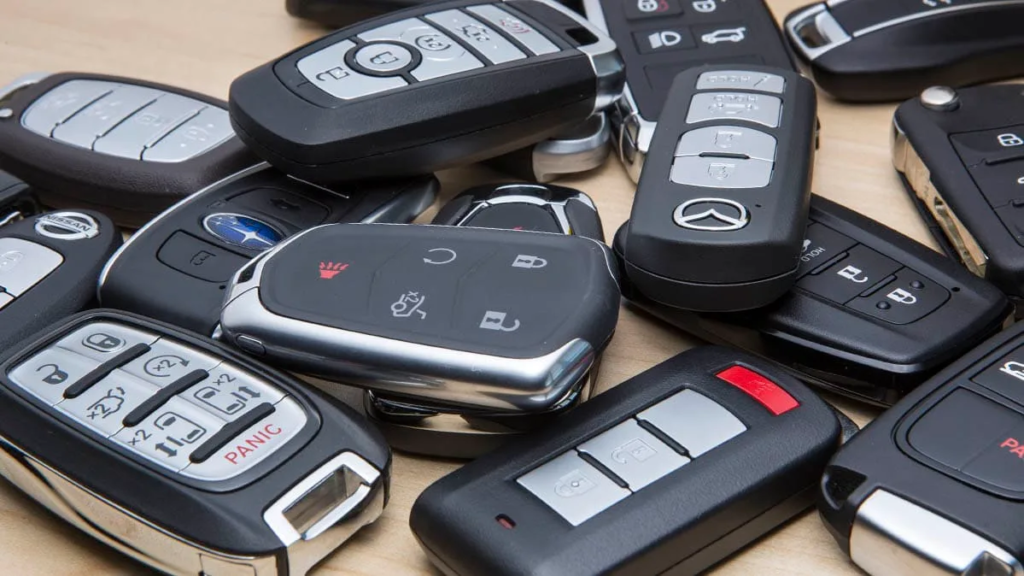
Okay, so you’ve lost your car key, and now you’re probably wondering about the damage to your wallet. It’s a fair question, and honestly, the cost can really swing depending on a few things. I’ve found that it’s not a one-size-fits-all answer, which can be a little frustrating when you’re already stressed.
Generally, the type of key you have plays the biggest role. A simple, old-school metal key is going to be way cheaper than a fancy smart key with all the buttons. Here’s a rough idea of what I’ve seen:
- Traditional Metal Keys: These are the most basic. Think $5 to $50. Pretty straightforward.
- Transponder Keys: These have a little chip in them. Expect to pay somewhere between $75 and $250.
- Switchblade Keys & Key Fobs: These are the ones with the remote buttons. The price can jump to $150-$500.
- Smart Keys (Push-to-Start): These are usually the most expensive, often landing between $200 and $600, sometimes even more if you don’t have the original.
Beyond the key type itself, where you get it made matters too. Dealerships tend to be the priciest option, often charging $150 to $600 or more.
They guarantee it’ll work, but you’ll pay for that peace of mind. Locksmiths are usually a good middle ground, often coming in between $75 and $400. Plus, many can come to you, which saves on towing costs.
Then there are online services. These can be the cheapest, sometimes as low as $20 to $200, but you have to factor in shipping time and whether you can program it yourself or need to find someone local to do it. It’s a trade-off between cost and convenience.
The biggest factor influencing the price, besides the key type, is whether you have a working copy. If you’ve lost your only key, the process often involves more complex procedures to retrieve your car’s unique key code, which can drive up the cost compared to simply duplicating an existing key.
So, while it’s hard to give an exact number without knowing your specific car and key, I’d say budget at least $100 for anything more than a basic metal key.
For newer cars with advanced key systems, be prepared for costs that could easily reach several hundred dollars. It’s always a good idea to get a few quotes before you commit to a service. You can often find mobile locksmiths who can give you an estimate over the phone.
What to Do If You Lose Your Only Car Key
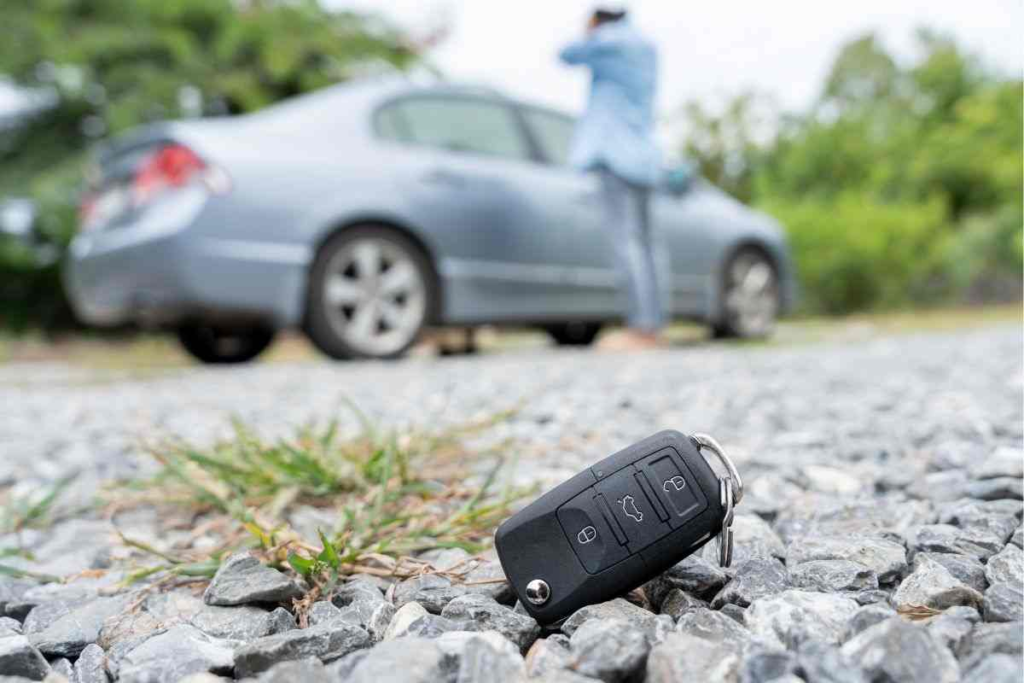
Okay, so I’ve been there. You’re rushing out the door, or maybe you’re just digging through your bag, and suddenly, panic sets in. Your car key is gone.
Not just misplaced, but completely vanished. And it’s your only one. Deep breaths. It happens to the best of us, and while it feels like a disaster, it’s usually fixable.
The first thing I do, even before I start thinking about replacements, is a thorough, almost frantic, search. Check every pocket, every bag you’ve used recently, under the car seats, even the fridge (don’t ask).
Sometimes, it’s just hiding in plain sight. If you have a key fob with tracking capabilities, now’s the time to use that app. I’ve also found it helpful to retrace my steps mentally and physically. Did I stop anywhere? Did I lend it to anyone? Sometimes calling places you’ve recently visited can turn up a lost item.
If the search comes up empty, it’s time to get practical. You’ll need some information ready. This usually includes your car’s make, model, and year. Most importantly, you’ll need your Vehicle Identification Number (VIN).
You can usually find this on your dashboard through the windshield or on your insurance card. Having proof of ownership, like your registration, is also a must. This is all to make sure they’re giving a key to the right person for the right car.
Here’s a quick rundown of what you might need:
- Your car’s make, model, and year.
- Your Vehicle Identification Number (VIN).
- Proof of ownership (like your registration or title).
- Your driver’s license or other ID.
Losing your only car key can feel like a major setback, but remember that most situations have a solution. The key is to stay calm, gather your information, and explore your options systematically. Acting quickly can often prevent further complications and save you money in the long run.
If you’re in a real bind and need immediate access, a professional car locksmith can often come to you. They have the tools to create and program a new key on-site, which can be a lifesaver when you’re stranded.
It’s a good idea to have a few locksmith numbers saved in your phone for just such emergencies. Depending on the type of key you have, this process can vary in time and cost, but it’s usually faster than waiting for a dealership.
Losing your only car key can be a real headache, but don’t panic! There are steps you can take to get back on the road quickly.
First, check if you have a spare key hidden somewhere or with a trusted friend or family member. If not, you’ll need to contact a locksmith or your car dealership. For more detailed advice on what to do next, visit our website.
Wrapping Things Up
So, losing your car key without a spare is definitely a pain, but it’s not the end of the world. I’ve learned that there are actually a few solid ways to get a new one, whether you go the dealership route, call up a locksmith, or even try ordering online.
It really just comes down to what kind of key you have, how fast you need it, and how much you’re looking to spend.
Honestly, for most of us with newer cars, a good mobile locksmith seems like the sweet spot between speed and cost. And hey, maybe this whole ordeal will make me actually stick to that habit of putting my keys in the same place every single time. Fingers crossed!
Frequently Asked Questions
Can I get a new car key if I don’t have the original?
Yes, absolutely! Even if I’ve lost my only car key, I can still get a replacement. I’ll need to provide my car’s make, model, and Vehicle Identification Number (VIN). Options include going to a car dealership, calling a professional locksmith, or using an online service. Each has its own pros and cons regarding cost and speed.
How much does it usually cost to replace a car key without the original?
The price can really vary. For a simple metal key, I might pay around $5 to $50. If it’s a transponder key with a chip, it could be $75 to $250. For fancy key fobs or smart keys, I could be looking at $200 to $600 or even more. Locksmiths are often cheaper than dealerships.
What’s the difference between a transponder key and a key fob?
A transponder key has a small chip inside that talks to my car’s security system, making it harder to steal. A key fob is more like a remote control that lets me unlock my doors or start my car without a physical key, and it often has a transponder chip too.
Can a locksmith really make a new key for my car on the spot?
In many cases, yes! A professional automotive locksmith can often come right to where my car is. They have special tools to cut and program new keys, which is super convenient, especially if I’m stranded and can’t get my car to a dealership.
What should I do if my car key was stolen, not just lost?
If I suspect my key was stolen, I need to act fast for security. I should file a police report, let my insurance company know, and definitely have my car’s locks changed or rekeyed. This makes sure no one can use the stolen key to get into my car.
Is it better to go to the dealership or a locksmith for a replacement key?
It depends on what I need. Dealerships are great for newer, high-end cars and guarantee original parts, but they’re usually more expensive and take longer. Locksmiths are often faster and more budget-friendly, especially for common car makes and models. For emergencies, a locksmith is usually my best bet.
Ready to Choose the Right Smart Doorbell?
Now that you know how to install a smart doorbell, the real question is — which one is actually worth your money? Don’t guess. We’ve tested the top options so you can pick the best one for your setup.
👉 Pro tip: If you want zero monthly fees, start with Eufy. If you prefer Alexa integration, Ring might suit you better.